
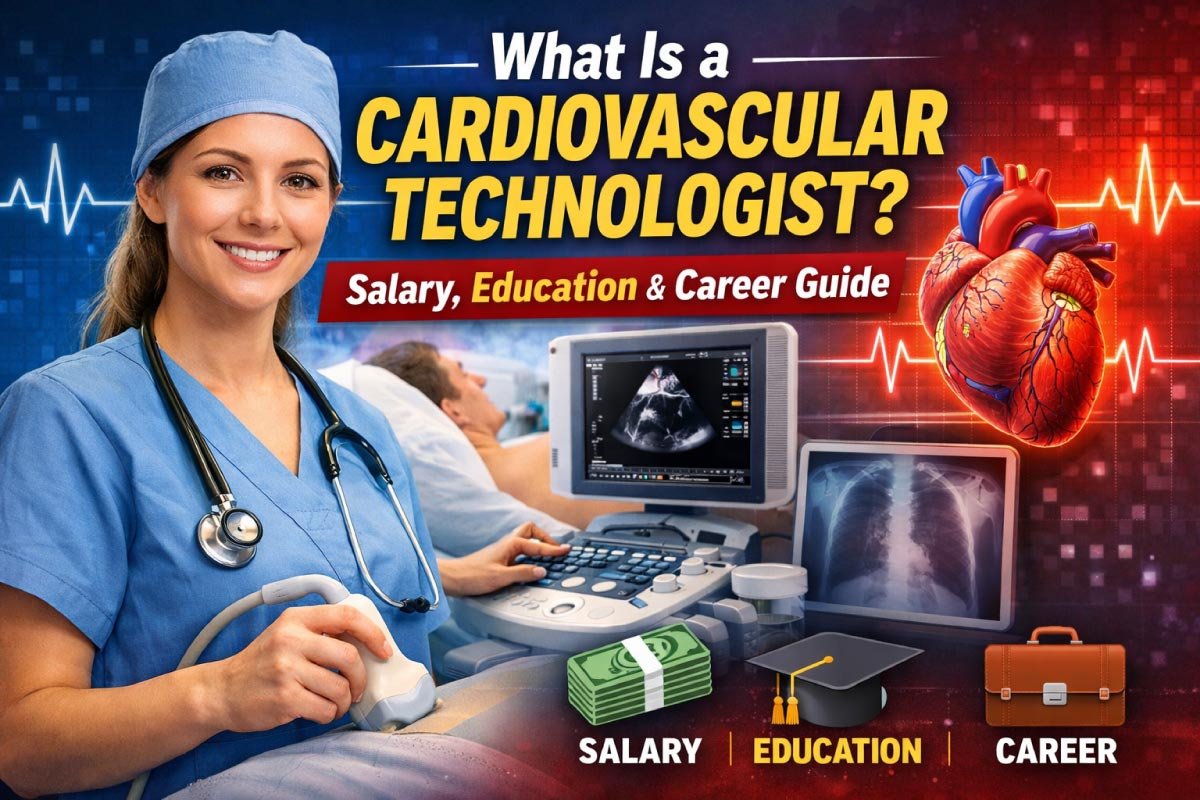
Healthcare is one of the fastest-growing and most rewarding career fields in the world. Among the wide range of roles in this dynamic sector,
Cardiovascular Technologists play a vital part in diagnosing and treating heart and vascular diseases.
If you’re fascinated by cardiovascular health, love working with people, and enjoy technical, hands-on work, this career could be an ideal fit.
In this definitive guide, we’ll explore who cardiovascular technologists are, what they do, their education and certification requirements, salary expectations, work settings, job outlook, and tips for building a successful career.
Who Is a Cardiovascular Technologist?
A Cardiovascular Technologist (CVT) is a healthcare professional trained to assist in the diagnosis and treatment of cardiac and vascular conditions.
These specialists use technological equipment to perform tests like echocardiography, vascular ultrasounds, and stress tests.
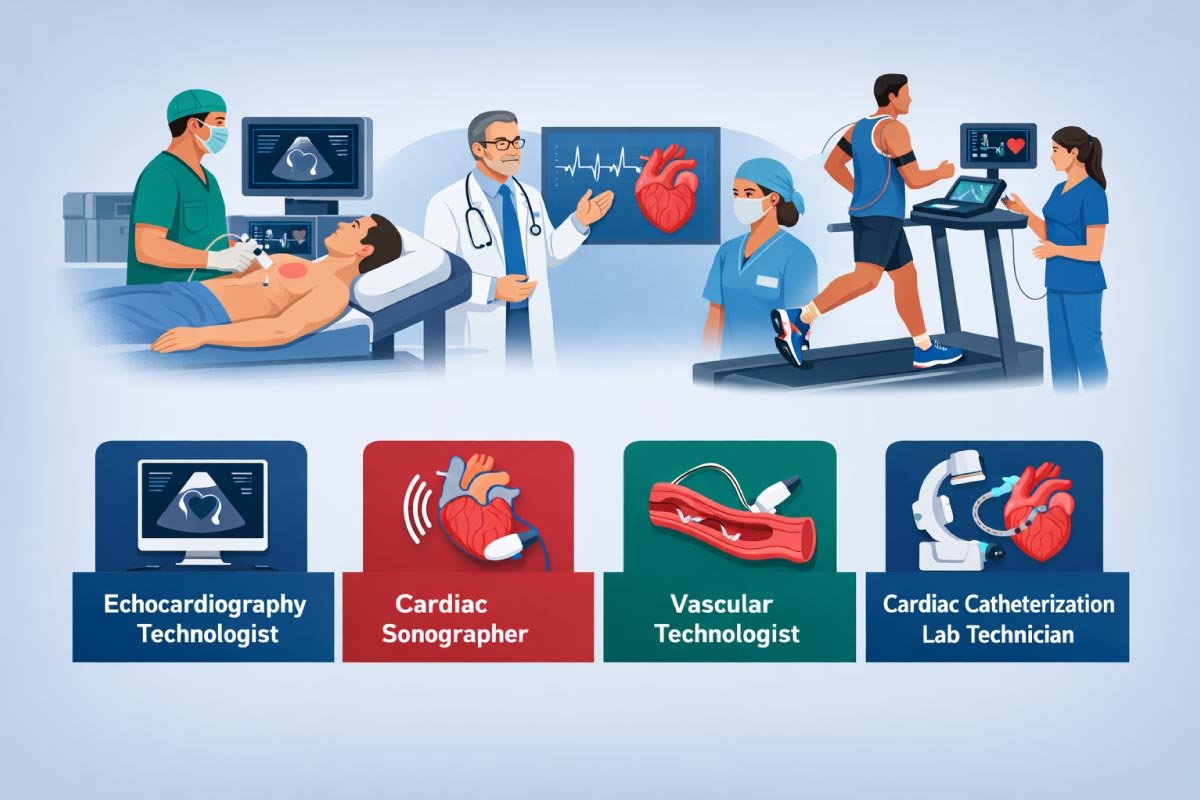
They work alongside cardiologists, vascular surgeons, and other medical staff to help detect heart disease and peripheral vascular issues early — often saving lives.
Technologists can specialize in areas such as:
-
Echocardiography Technologist
-
Cardiac Sonographer
-
Vascular Technologist
-
Cardiac Catheterization Lab Technician
What Do Cardiovascular Technologists Do?
Cardiovascular technologists perform a variety of tests and procedures to help diagnose heart and blood vessel problems. Their responsibilities often include:
-
Preparing patients for tests
-
Operating diagnostic imaging equipment
-
Monitoring vital signs during procedures
-
Assisting cardiologists during invasive cardiac procedures
-
Recording and analyzing test results
-
Maintaining equipment and reporting abnormalities
Common Procedures Performed by CVTs
Cardiovascular Technologists perform a variety of diagnostic and interventional procedures to assess and treat heart and vascular conditions.
Common procedures include electrocardiograms (ECGs), echocardiography, stress tests, vascular ultrasounds, and cardiac catheterizations.
They also assist with angioplasty, stent placement, and pacemaker insertions, ensuring patient safety and accurate data collection throughout.
| Procedure | What It Is | Purpose |
|---|---|---|
| Echocardiography (Echo) | Uses ultrasound waves to create images of the heart | Assesses heart structure and function |
| Vascular Ultrasound | Uses sound waves to visualize blood flow in arteries and veins | Detects blockages and clots |
| Stress Testing | ECG monitoring while the patient exercises | Evaluates heart response to physical stress |
| Holter Monitoring | Continuous ECG tracking for 24-48 hours | Detects irregular heart rhythms |
This varied blend of patient care, technology, and diagnostic analysis makes the role both challenging and rewarding.
Education Requirements
Becoming a cardiovascular technologist requires formal education plus supervised clinical experience. Here’s a breakdown of the typical education pathway:
Step-by-Step Education Path
| Step | Requirement | Details |
|---|---|---|
| 1. High School Diploma or Equivalent | Required | Focus on sciences like biology, chemistry, and math |
| 2. Post-Secondary Program | 2-year Associate’s or 4-year Bachelor’s | Accredited program in cardiovascular technology or related field |
| 3. Clinical Training | Hands-on rotations | Conducted in hospitals/medical centers |
| 4. Certification | Recommended/Required | See next section |
Associate Degree vs. Bachelor’s Degree
When pursuing a career as a Cardiovascular Technologist, education level can influence job opportunities and advancement.
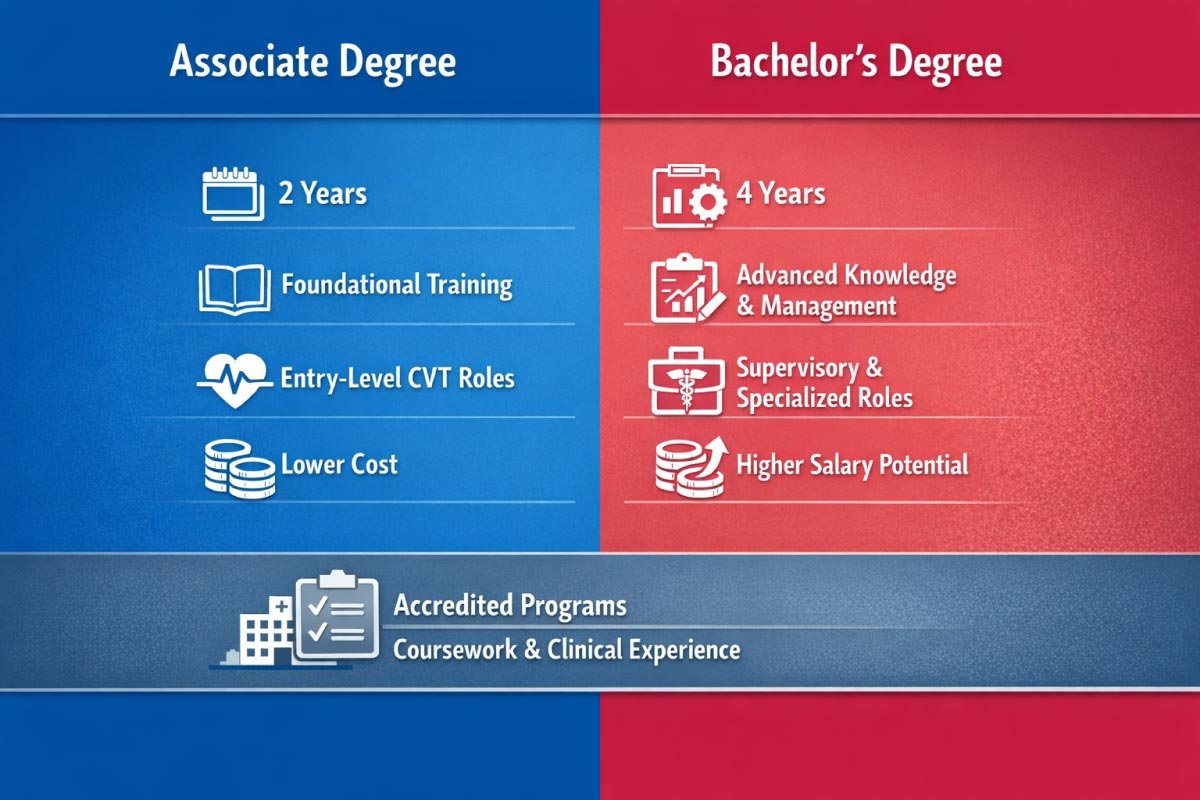
An associate degree typically provides foundational training and qualifies graduates for entry-level roles in hospitals or clinics.
A bachelor’s degree offers deeper clinical knowledge, research exposure, and leadership opportunities, often leading to higher salaries and specialized positions.
| Feature | Associate Degree | Bachelor’s Degree |
|---|---|---|
| Length | 2 years | 4 years |
| Depth of Training | Foundational | Advanced knowledge, management opportunities |
| Career Flexibility | Standard CVT roles | Can lead to supervisory or specialized roles |
| Cost | Lower overall cost | Higher, but more opportunities |
Many employers prefer candidates from accredited programs that offer both didactic coursework and clinical practicum.
Certification and Licensing
Although requirements vary by country, many employers in countries such as the United States prefer or require professional certification.
Popular Certifications
| Certification | Organization | Focus Area |
|---|---|---|
| RCS, Registered Cardiographic Specialist | CCI | ECG monitoring & basic cardiac diagnostics |
| RDCS (Registered Diagnostic Cardiac Sonographer) | ARDMS | Echocardiography specialization |
| RVT (Registered Vascular Technologist) | ARDMS | Vascular ultrasound technology |
| CCT (Certified Cardiographic Technician) | CCI | General cardiac tech credential |
Requirements often include:
-
Completion of an accredited program
-
Clinical hours logged
-
Passing a certification exam
Salary Expectations
Salary for cardiovascular technologists varies by location, experience, and specialty. Highly skilled techs (especially those with advanced credentials) often earn more.
Average Salary (Estimate)
| Region | Average Annual Salary | Entry Level | Experienced |
|---|---|---|---|
| United States | $60,000 – $78,000 | $50,000 | $90,000 |
| United Kingdom | £24,000 – £36,000 | £22,000 | £40,000 |
| Canada | CAD $55,000 – $75,000 | CAD $45,000 | CAD $85,000 |
| Australia | AU$60,000 – AU$80,000 | AU$50,000 | AU$90,000 |
Note: Salaries depend on hospital size, city cost of living, certifications, and years of experience.
Salary by Specialty (Example)
Cardiovascular Technologist salaries can vary based on specialty, experience, and location. For example, entry-level CVTs may earn around $55,000 annually,
while those specializing in invasive cardiology or echocardiography can earn $70,000–$85,000 per year.
Highly experienced technologists in advanced imaging or management roles may exceed $90,000 annually.
| Specialty | Average Salary |
|---|---|
| Echocardiography Specialist | $70,000+ |
| Vascular Technologist | $65,000+ |
| Cardiac Catheterization Tech | $75,000+ |
Work Settings
Cardiovascular Technologists work in a variety of healthcare environments, including hospitals, outpatient clinics, diagnostic imaging centers, and specialized cardiac care units.
They may also be found in research facilities, rehabilitation centers, and physician offices, collaborating with diverse medical teams to perform tests and support patient care across multiple clinical settings.
Cardiovascular technologists can work in diverse environments:
-
Hospitals
-
Outpatient clinics
-
Cardiac imaging centers
-
Diagnostic laboratories
-
Physician offices
-
Research facilities
Work shifts can be:
-
Standard daytime hours
-
Rotating shifts
-
On-call shifts (especially for emergency diagnostics)
Job Outlook & Demand
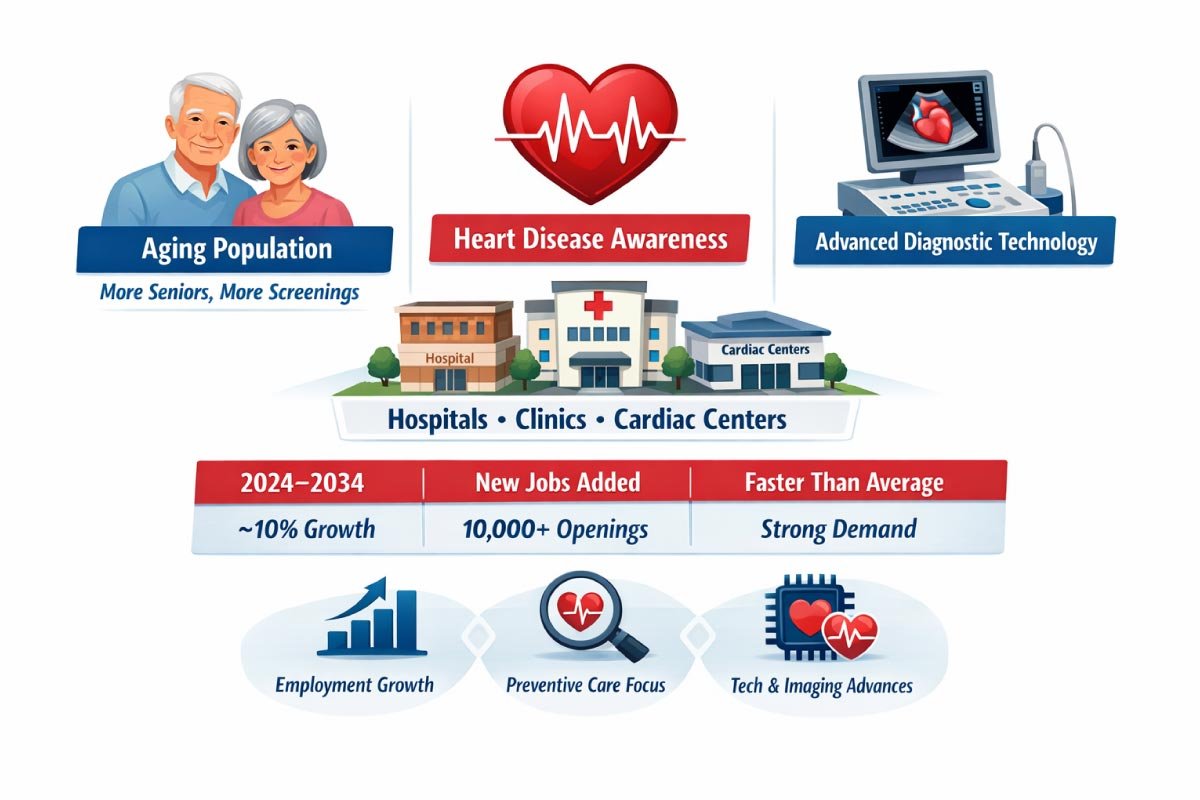
Career demand for cardiovascular technologists is projected to grow due to:
-
Aging population: More seniors means more cardiac screenings.
-
Increased cardiovascular disease awareness.
-
Advances in non-invasive diagnostic technology.
Employment Growth Forecast
Employment growth for Cardiovascular Technologists (CVTs) is projected to rise as healthcare needs expand, particularly with aging populations and increased cardiovascular disease screening.
Demand for diagnostic imaging and cardiac procedures will continue growing, offering strong opportunities for qualified professionals.
Steady growth reflects both technological advances and greater emphasis on preventive care.
| Forecast Year | Growth % | Outlook |
|---|---|---|
| 2024–2034 | ~10% growth | Faster than average |
| New Jobs Added | ~10,000+ openings | Strong demand |
- This reflects expanding demand for skilled diagnosticians and tech-savvy healthcare workers.
Skills & Qualities Needed
Successful Cardiovascular Technologists (CVTs) need a strong blend of technical knowledge, attention to detail, and critical thinking skills.
They must communicate clearly with patients and healthcare teams, remain calm under pressure, and demonstrate compassion.
Physical stamina, problem-solving ability, and a commitment to patient safety are also essential qualities in this role.
1- Technical Skills
-
Proficiency with imaging equipment
-
Strong understanding of cardiac anatomy
-
Ability to troubleshoot tech malfunctions
2- Soft Skills
-
Excellent communication
-
Compassion and empathy
-
Attention to detail
-
Patient care focus
Cardiovascular technologists must combine technical precision with compassionate care. Many procedures require patients to remain calm, and techs must reassure and guide them.
Typical Day in the Life of a CVT
A typical day in the life of a Cardiovascular Technologist (CVT) is fast-paced, technical, and patient-focused.
From preparing equipment and assisting with diagnostic imaging to monitoring vital signs during cardiac procedures,
CVTs play a vital role in heart care while ensuring accuracy, safety, and compassionate support for every patient they serve.
A typical day might include:
-
Morning: Reviewing patient charts and prepping ultrasound machines.
-
Midday: Conducting echocardiograms and vascular studies.
-
Afternoon: Uploading and interpreting results for physicians.
-
End of Day: Cleaning equipment and documenting patient records.
Depending on the facility, some techs may assist in cardiac catheterization labs or stress testing suites.
Read More:
Pros & Cons of Being a Cardiovascular Technologist
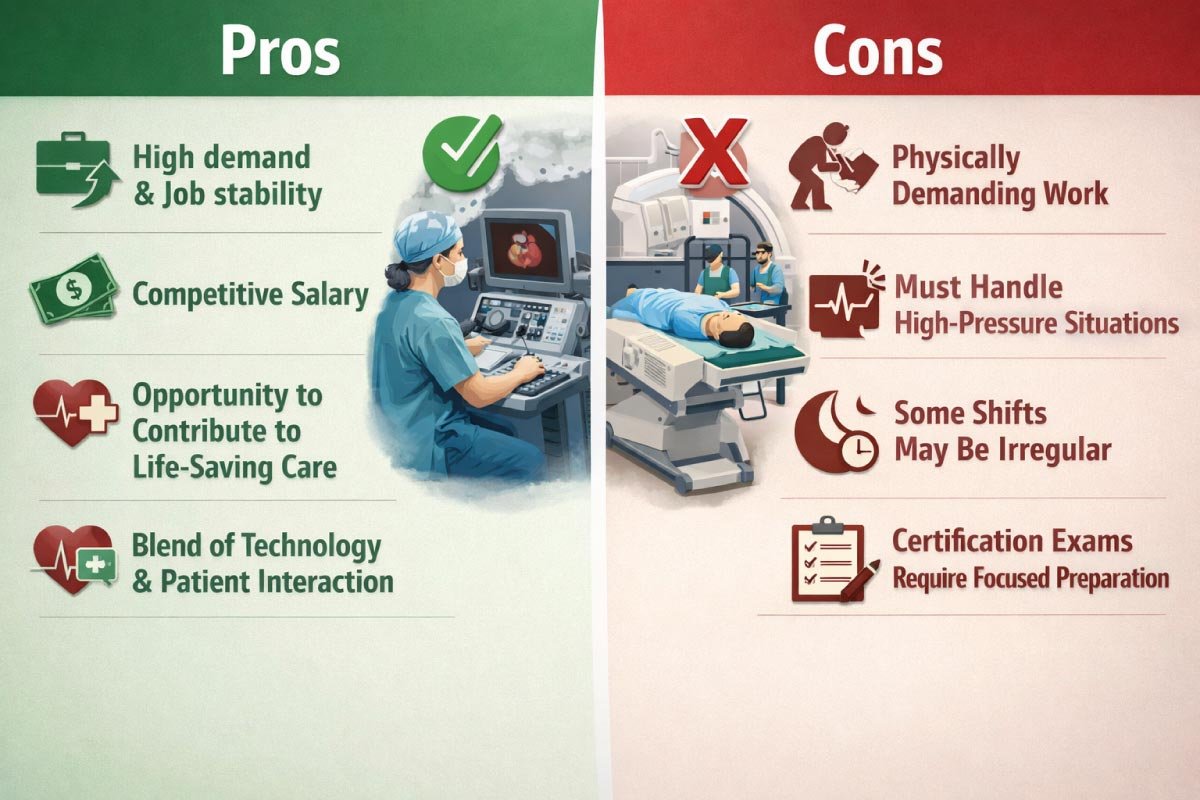
Working as a cardiovascular technologist offers a rewarding blend of patient care and advanced medical technology, but like any healthcare career, it comes with challenges.
Pros
Strong job demand, competitive salaries, hands-on work with cutting-edge cardiac equipment, and the opportunity to play a vital role in diagnosing and treating heart disease.
-
High demand and job stability
-
Competitive salary
-
Opportunity to contribute to life-saving care
-
Blend of technology and patient interaction
Cons
Long hours, potential exposure to radiation (in cath labs), high-pressure emergency situations, and the need for precision and emotional resilience.
-
Physically demanding work
-
Must handle high-pressure situations
-
Some shifts may be irregular
-
Certification exams require focused preparation
Read More:
How to Start Your CVT Career
Starting a career as a Cardiovascular Technologist (CVT) involves a combination of education, training, and certification.
Begin by earning an associate or bachelor’s degree in cardiovascular technology or a related healthcare field.
Complete clinical internships to gain hands-on experience, then obtain professional certification through organizations like the Cardiovascular Credentialing International (CCI) or American Registry of Diagnostic Medical Sonographers (ARDMS).
Continuing education and networking help advance your career.
1- Research Accredited Programs:
Begin by researching accredited cardiovascular technology programs recognized by reputable organizations.
Accreditation ensures quality education, proper clinical training, and eligibility for certification exams.
Look for schools that provide strong clinical rotations in hospitals or cardiac labs, giving you hands-on experience with real patients and advanced equipment.
2- Graduate and Build Clinical Experience:
After completing your degree, focus on gaining as much clinical experience as possible. During internships and entry-level roles, develop technical skills,
patient communication abilities, and familiarity with diagnostic equipment. Real-world practice strengthens your confidence and makes you more competitive when applying for full-time cardiovascular technologist positions.
3- Take Certification Exams:
Certification significantly improves job prospects and credibility. Many hospitals prefer or require credentials from recognized organizations.
Preparing thoroughly for certification exams demonstrates professionalism, competence, and commitment to the field.
Earning credentials can also increase salary potential and open doors to advanced roles or specialized positions.
4- Build Your Resume & Networking:
Create a strong, well-organized resume highlighting clinical rotations, certifications, and technical skills.
Attend healthcare career fairs and connect with professionals in cardiology departments. Join professional associations such as the American Society of Echocardiography (ASE)
and ARDMS to expand your network and stay updated on industry trends.
5- Pursue Specializations:
As you gain experience, consider specializing in areas such as echocardiography, vascular technology, or invasive cardiology.
Advanced certifications often lead to higher salaries, leadership opportunities, and greater job stability.
Specialization also allows you to focus on a specific interest within cardiovascular care and enhance your long-term career growth.
Read More:
Continuing Education & Advancement
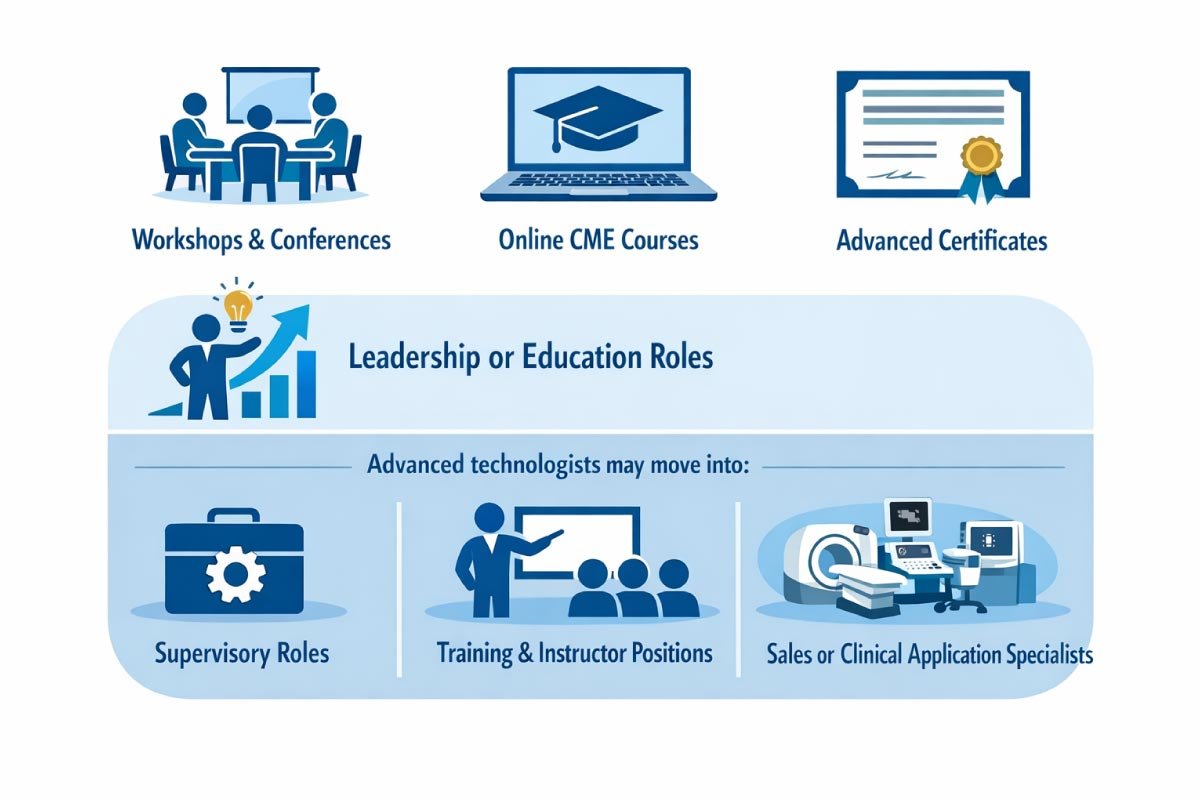
-
Workshops and conferences
-
Online CME courses
-
Advanced certificates
-
Leadership or education roles
Advanced technologists may move into:
-
Supervisory roles
-
Training and instructor positions
-
Sales or clinical application specialists for diagnostic equipment companies
Conclusion
Choosing a career as a Cardiovascular Technologist is an excellent decision for anyone who wants to blend healthcare, cutting-edge technology, and diagnostic science.
It’s a career with meaning, purpose, and opportunities for professional growth — from clinical work to leadership.
With solid education, commitment to learning, and a passion for patient care, you can build a highly rewarding and secure future in cardiovascular diagnostics.
Read More:

Zak is a dedicated medical and career writer specializing in sonography, healthcare education, and professional development. Through SonographerSalary.com, he shares in-depth insights on sonographer salaries, education pathways, and career tips to help readers build successful futures in medical imaging. His content combines accuracy with practical, easy-to-understand guidance, empowering students and professionals to make confident, informed career decisions.