
Healthcare is one of the fastest‑growing employment sectors in the world, with roles ranging from clinical nurse to surgical specialist.
Among these, Interventional Radiology Technologists (IR Technologists) play a unique and increasingly important role in medical diagnostics and minimally invasive therapies.
In this comprehensive guide, we’ll explore what an Interventional Radiology Technologist is, what they do, the education required, job prospects, salary expectations, and tips for building a successful career in this high‑demand field.
What Is an Interventional Radiology Technologist?
An Interventional Radiology Technologist is a healthcare professional who specializes in assisting physicians in performing image‑guided, minimally invasive procedures.
These procedures often replace traditional surgeries by using imaging technologies like X‑rays, CT (Computed Tomography), MRI (Magnetic Resonance Imaging), and ultrasound to guide tools and devices inside the body.
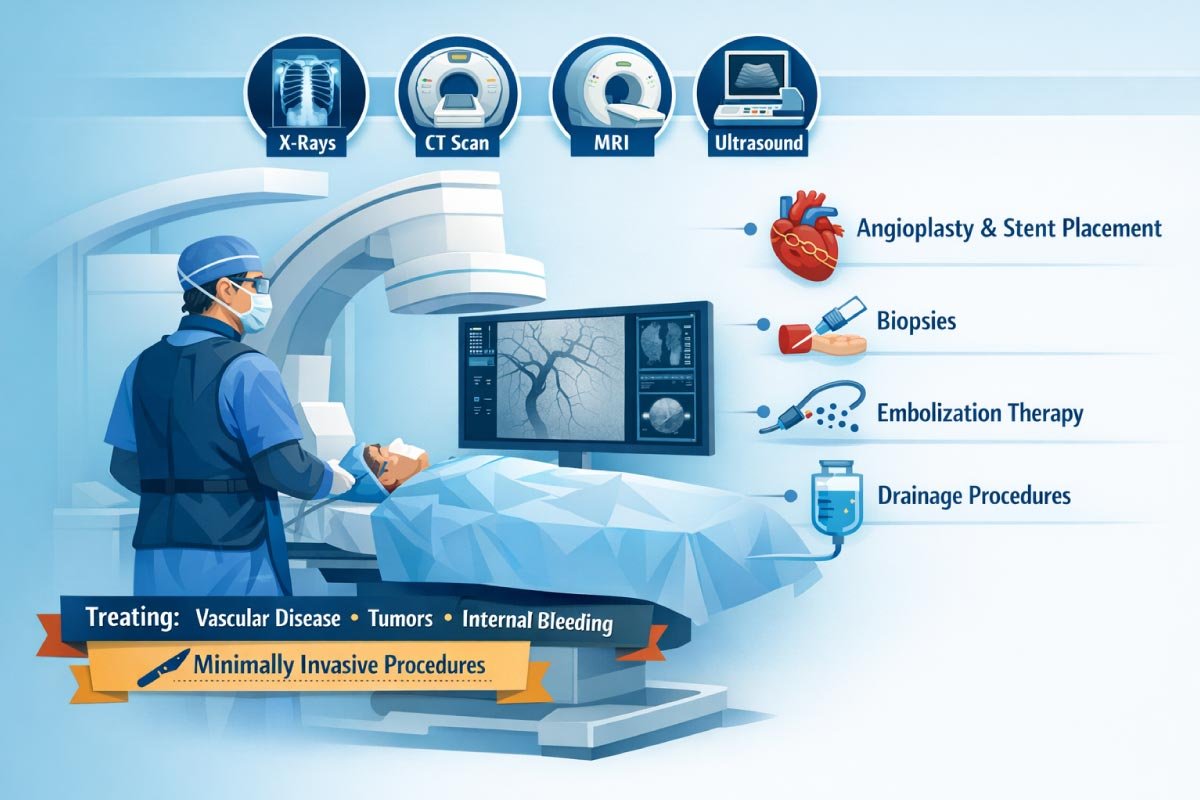
Unlike general radiologic technologists whose work often involves routine imaging (like chest X‑rays), IR technologists are focused on therapeutic procedures — for example:
-
Angioplasty and stent placement
-
Biopsies
-
Embolization therapy
-
Drainage procedures
These interventions can help treat conditions such as vascular diseases, tumors, and internal bleeding — often without the need for large incisions or lengthy hospital stays.
What Does an IR Technologist Do?
An Interventional Radiology (IR) technologist assists in minimally invasive imaging procedures, using advanced equipment like fluoroscopy and CT scanners.
They prepare patients, operate imaging systems during procedures, monitor vital signs, and ensure safety protocols are followed.
Their role is crucial for accurate imaging, patient comfort, and successful interventions.
a. Preparing Patients and Equipment
Proper preparation is essential for accurate diagnostic imaging. Nuclear medicine technologists ensure patients are ready, explaining procedures, addressing concerns, and confirming medical history.
Simultaneously, they calibrate and check imaging equipment, verify radiopharmaceuticals, and follow safety protocols. This careful preparation helps optimize image quality and patient safety.
-
Reviewing medical records and physician orders
-
Explaining the procedure to patients
-
Positioning patients correctly
-
Preparing and sterilizing imaging equipment
-
Ensuring proper radiation safety precautions
b. Assisting During Procedures
During nuclear medicine procedures, technologists play a critical supportive role. They help position patients correctly, operate imaging equipment, and monitor vital signs.
By providing guidance, reassurance, and technical expertise, they ensure procedures run smoothly, images are accurate, and patients remain safe and comfortable throughout the process.
-
Operating imaging equipment to guide the physician
-
Preparing contrast media and monitoring injections
-
Handling surgical instruments and assisting with patient positioning
-
Monitoring patient vitals throughout the procedure
c. Post‑Procedure Care
After a nuclear medicine procedure, technologists ensure patients recover safely and understand any follow-up instructions.
They monitor for side effects, provide guidance on hydration or activity restrictions, and properly handle or dispose of radioactive materials.
This careful post-procedure care safeguards patient health and maintains regulatory safety standards.
-
Cleaning and maintaining imaging equipment
-
Updating patient records
-
Providing brief post‑procedure care instructions
-
Ensuring patient comfort and safety during recovery
In short, IR technologists are essential members of the interventional radiology team, serving as the bridge between advanced technology and patient care.
Education & Certification Path
Becoming an Interventional Radiology Technologist requires specialized education and training. Below is a general pathway:
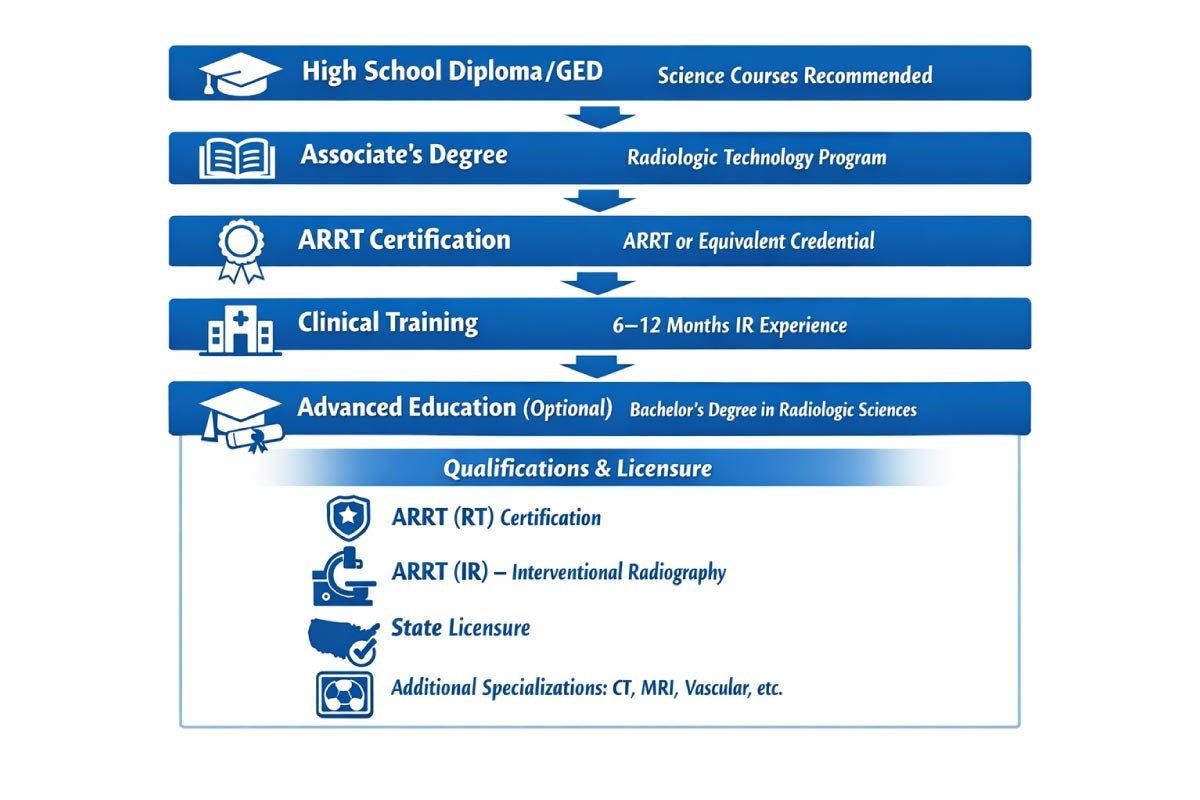
Step‑by‑Step Educational Path
Becoming a nuclear medicine technologist requires a structured educational journey.
Students typically start with a relevant associate or bachelor’s degree, complete specialized nuclear medicine courses, and gain hands-on clinical experience.
Certification exams and state licensure finalize the process, ensuring technologists are fully prepared to deliver safe, accurate, and professional patient care.
| Step | Requirements | Typical Time |
|---|---|---|
| High School Diploma / GED | Basic science courses preferred (biology, physics, anatomy) | — |
| Associate’s Degree | Radiologic Technology or related field | 2 years |
| Certification | ARRT or equivalent credential | Variable |
| On‑the‑Job Training | IR‑specific clinical experience | 6–12 months |
| Advanced Education (Optional) | Bachelor’s or Bachelor of Science in Radiologic Sciences | 4 years |
Qualifications & Certifications
Most IR technologists pursue certification through the American Registry of Radiologic Technologists (ARRT) or similar national boards. Common credentials include:
-
ARRT (RT) — Registered Technologist
-
ARRT (IR) — Interventional Radiography
-
State Licensure — Required in some states
Some technologists also earn credentials in vascular ultrasound, CT/MRI, or cardiovascular intervention, which can open doors to higher pay and more advanced roles.
Job Outlook and Career Growth
The demand for nuclear medicine technologists is steadily increasing due to advancements in medical imaging and an aging population.
Career growth is strong, with opportunities in hospitals, clinics, and research.
Technologists can also specialize further, take on leadership roles, or advance into education, enhancing both professional development and earning potential.
The demand for interventional radiology procedures has grown significantly due to:
-
Rising preference for minimally invasive surgeries
-
Aging population requiring cardiovascular care
-
Advances in imaging technology and therapeutic options
According to the U.S. Bureau of Labor Statistics (BLS), employment of radiologic technologists is projected to grow faster than average compared to all occupations in the next decade.
Job Growth Summary
Employment for nuclear medicine technologists is projected to grow faster than average in the coming years.
Rising healthcare needs, technological advancements, and an emphasis on early disease detection are driving demand.
This growth offers strong job stability, diverse career opportunities, and potential for specialization within the field.
| Statistic | Value |
|---|---|
| Estimated Growth (Radiologic Techs)* | ~7% (2024–2034) |
| Estimated New Jobs | ~14,000+ |
| Demand Drivers | Aging population, minimally invasive procedures |
*Note: This category includes general radiologic technologists, CT, MRI, and IR roles combined
While exact data for IR technologists specifically isn’t isolated, the trend toward more image‑guided procedures means IR specialists are likely to remain in strong demand.
Read More:
Salary Overview
Salaries for Interventional Radiology Technologists vary based on region, experience, certifications, and workplace setting (hospital, clinic, imaging center).
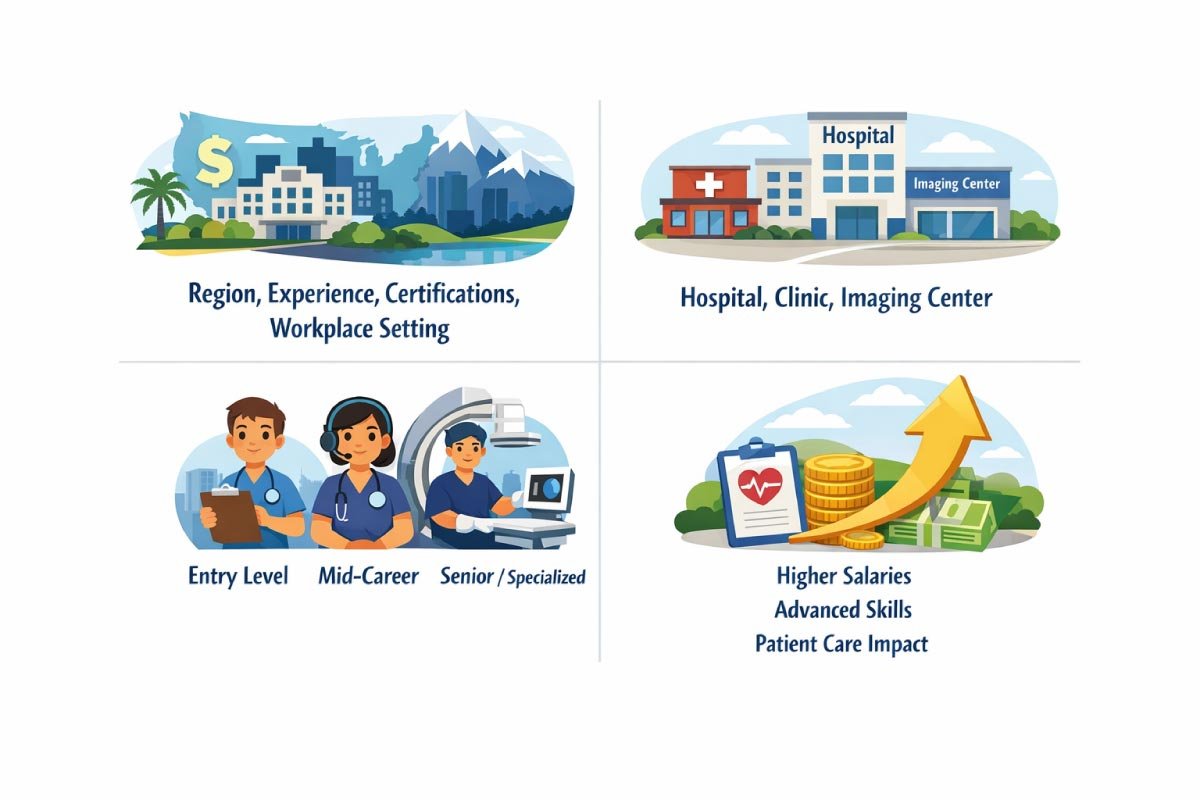
1- Average Salaries by Experience
Nuclear medicine technologist salaries vary with experience and expertise.
Entry-level technologists earn a competitive starting wage, while mid-career professionals see significant increases.
Experienced technologists, especially those with specialized skills or supervisory roles, often enjoy higher salaries, reflecting their advanced knowledge, clinical proficiency,
and contributions to patient care and departmental efficiency.
| Experience Level | Annual Salary | Notes |
|---|---|---|
| Entry‑Level | $50,000 – $60,000 | New graduates or limited clinical experience |
| Mid‑Career | $60,000 – $75,000 | 3–7 years experience |
| Senior / Lead Tech | $75,000 – $90,000+ | Advanced certifications / supervisory roles |
2- Salaries by Workplace
Nuclear medicine technologist salaries vary with experience and expertise.
Entry-level technologists earn a competitive starting wage, while mid-career professionals see significant increases.
Experienced technologists, especially those with specialized skills or supervisory roles, often enjoy higher salaries,
reflecting their advanced knowledge, clinical proficiency, and contributions to patient care and departmental efficiency.
| Workplace | Average Salary |
|---|---|
| Hospital | $65,000 – $85,000 |
| Outpatient Imaging Center | $60,000 – $80,000 |
| Private Clinic | $55,000 – $75,000 |
| Academic Medical Center | $70,000 – $90,000+ |
Key Salary Influencers:
-
Geographic region or cost of living
-
Additional credentials (CT, MRI, Vascular)
-
Leadership roles or specialized procedures
-
Union or hospital system pay scales
Skills & Qualities Needed
Interventional Radiology (IR) Technologists require a unique balance of technical expertise and strong interpersonal abilities.
Their role involves operating sophisticated imaging equipment while ensuring patient safety and comfort.
Success in this field depends on precision, adaptability, and the ability to collaborate seamlessly with a multidisciplinary medical team.
1- Technical Skills
IR technologists must be proficient in operating complex imaging equipment, including X-ray, fluoroscopy, CT, and ultrasound systems.
They need a solid understanding of radiation safety, infection control procedures, and medical terminology.
Knowledge of human anatomy is essential for accurately assisting during intricate diagnostic and therapeutic procedures.
-
Equipment operation: X‑ray, fluoroscopy, CT, ultrasound
-
Radiation safety principles
-
Medical terminology and anatomy
-
Infection control procedures
2- Soft Skills
Equally important are soft skills such as attention to detail, critical thinking, and situational awareness.
Effective patient communication helps reduce anxiety and improve cooperation during procedures.
Technologists must also work collaboratively with physicians, nurses, and other healthcare staff, ensuring that procedures run smoothly and safely while adapting quickly to unexpected developments.
-
Attention to detail
-
Patient communication
-
Critical thinking and situational awareness
-
Teamwork and collaboration
Since IR procedures often require precision and rapid adjustments, technologists must think quickly and communicate effectively with physicians and patients alike.
Read More:
Pros and Cons of the Role
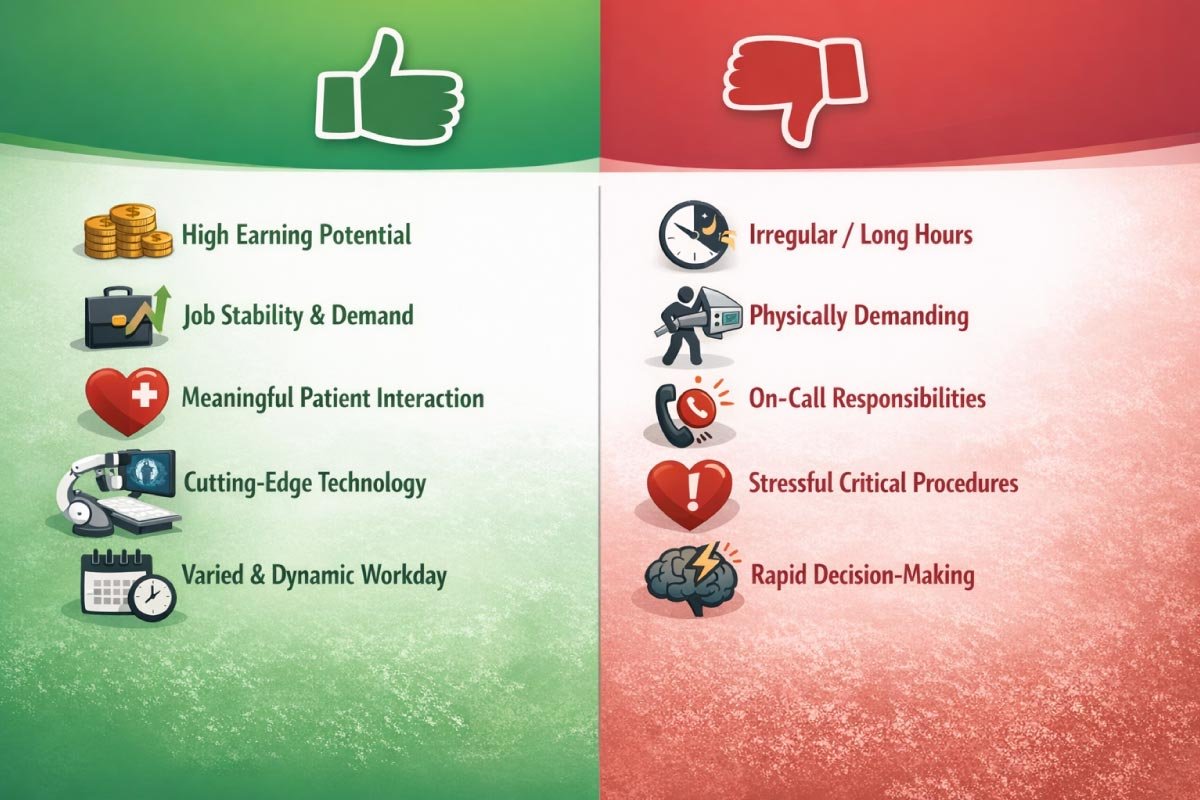
No career is without its trade-offs. Interventional Radiology Technologists enjoy unique rewards but also face specific challenges.
Understanding both sides helps aspiring professionals make an informed decision about whether this demanding yet fulfilling field aligns with their skills and lifestyle.
Pros
IR technologists benefit from high earning potential compared to many other allied health roles, coupled with strong job stability and growing demand.
They experience meaningful patient interaction and the satisfaction of contributing to critical care.
Additionally, the role offers exposure to cutting‑edge medical technology and a dynamic, varied workday that keeps tasks engaging.
-
High earning potential compared to some allied health roles
-
Strong job demand and stability
-
Meaningful patient interaction
-
Opportunity to work with cutting‑edge technology
-
Varied and dynamic workday
Cons
The role can involve irregular or long hours, especially in facilities requiring on‑call coverage for emergencies.
Procedures may be physically demanding, requiring prolonged standing and careful maneuvering of equipment.
Technologists often face stress during critical interventions, and rapid decision-making under pressure is essential to ensure patient safety and procedural success.
-
Irregular or long hours in some facilities
-
Physically demanding (standing for long procedures)
-
On‑call responsibilities for emergencies
-
Stress during critical procedures
For individuals who love technology, healthcare, and teamwork, the rewards often outweigh the challenges.
Conclusion
Becoming an Interventional Radiology Technologist offers a dynamic, rewarding career for those who enjoy blending healthcare with advanced imaging technology.
With competitive salaries, strong demand, and the opportunity to directly impact patient outcomes, it’s an excellent choice for motivated students and professionals.
This career requires specialized education, a commitment to lifelong learning, and strong teamwork skills — but for those who pursue it, the benefits can be significant.
Whether you’re just exploring healthcare careers or ready to take the next step, the path of an IR technologist is both challenging and fulfilling.
Read More:

Zak is a dedicated medical and career writer specializing in sonography, healthcare education, and professional development. Through SonographerSalary.com, he shares in-depth insights on sonographer salaries, education pathways, and career tips to help readers build successful futures in medical imaging. His content combines accuracy with practical, easy-to-understand guidance, empowering students and professionals to make confident, informed career decisions.