
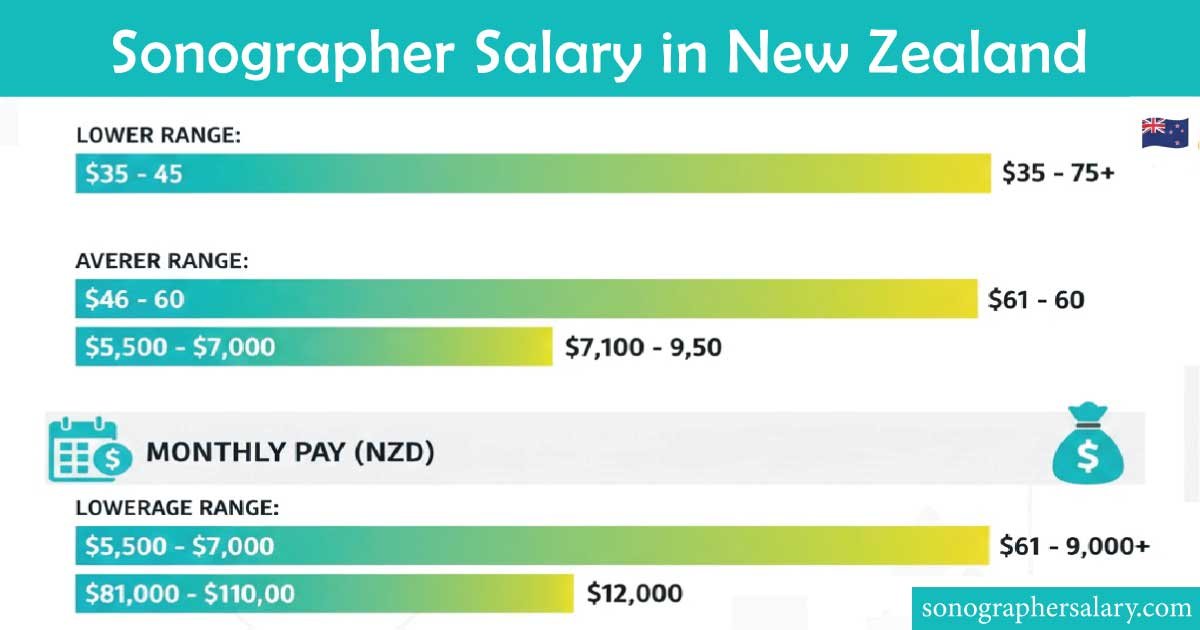
For healthcare professionals in New Zealand, diagnostic medical sonography remains one of the most respected allied health careers. In 2026, demand for skilled sonographers is strong across public and private healthcare systems due to ongoing growth in diagnostic imaging, an expanding aging population, and rising awareness of non-invasive diagnostic tools.
This guide gives you a comprehensive, practical look at sonographer salaries in New Zealand — how much you can expect to earn, what affects your pay, how salary grows with experience and specialization, and ways to increase your earning potential.
What Is a Sonographer?
A sonographer is a healthcare specialist who uses ultrasound technology to produce images of the body’s internal structures. These images help doctors diagnose conditions and monitor treatment progress. Sonographers work with patients of all ages from newborns to the elderly and across specialties like obstetrics, abdominal imaging, musculoskeletal scans, and cardiac exams.
In New Zealand, sonographers work in a range of settings:
Public hospitals (District Health Boards)
Private imaging clinics
Specialist women’s health centers
Mobile imaging services
Overview of Sonographer Salaries in New Zealand (2026)
Salaries for sonographers in New Zealand vary based on experience, location (urban vs regional), workplace type (public vs private sector), and area of specialization. Overall, the profession offers highly competitive compensation compared to many other allied health careers in the country.
Here’s a quick snapshot of what you can expect:
Hourly wage: Generally in the mid to high NZ$40s
Monthly income: Commonly between NZ$7,000 and NZ$9,000
Annual salary: Most sonographers make between NZ$90,000 and NZ$115,000
These figures reflect typical full-time work (40 hours per week).
Salary Breakdown Table (Hourly, Monthly, Yearly) New Zealand (2026)
This table provides a clear 2026 salary breakdown for full-time sonographers in New Zealand. It highlights hourly wages, monthly income, and annual salaries across lower, average, and higher ranges, offering a practical guide for understanding earning potential in various healthcare settings nationwide.
| Pay Type | Lower Range | Average | Higher Range |
|---|---|---|---|
| Hourly Wage | NZ$42/hr | NZ$48/hr | NZ$55/hr |
| Monthly Income | NZ$7,000 | NZ$8,200 | NZ$9,500 |
| Annual Salary | NZ$88,000 | NZ$99,000 | NZ$115,000 |
This table represents a realistic overview for full-time sonographers working throughout New Zealand.
Experience & Salary Growth
Experience is a key factor in boosting a sonographer’s income. As professionals gain hands-on skills, clinical expertise, and confidence in performing complex diagnostic procedures, they become more valuable to employers. This growth often leads to higher salaries, promotions, specialized roles, and greater opportunities in advanced medical imaging settings.
Salary by Experience Level Chart
| Experience Level | Hourly Wage | Monthly Income | Annual Salary |
|---|---|---|---|
| Entry (0–2 yrs) | NZ$32 – NZ$38/hr | NZ$5,500 – NZ$6,600 | NZ$66,000 – NZ$79,000 |
| Mid (3–6 yrs) | NZ$38 – NZ$45/hr | NZ$6,600 – NZ$8,000 | NZ$79,000 – NZ$96,000 |
| Experienced (7–10 yrs) | NZ$45 – NZ$52/hr | NZ$8,000 – NZ$9,500 | NZ$96,000 – NZ$114,000 |
| Senior/Lead (10+ yrs) | NZ$52 – NZ$60/hr | NZ$9,500 – NZ$11,000 | NZ$114,000 – NZ$132,000 |
Key Insight: Most sonographers see notable salary increases between years 3–6, and senior roles start to command premium pay.
Public vs Private Sector Earnings
Work location significantly impacts sonographer salaries in New Zealand. Public hospitals usually provide stable pay scales tied to experience and seniority, whereas private imaging clinics often offer higher compensation, particularly for evening, weekend, or on-call shifts, rewarding flexibility and specialized expertise.
Salary by Work Setting Chart
| Work Setting | Typical Hourly | Typical Annual |
|---|---|---|
| Public Hospital | NZ$45/hr | NZ$95,000 |
| Private Clinic | NZ$48/hr | NZ$100,000 |
| Specialty Facility | NZ$50/hr | NZ$104,000 |
| Mobile/Contract Roles | NZ$55/hr | NZ$115,000+ |
Mobile and contract positions often pay higher hourly rates because they include travel, flexible hours, or weekend work.
Specialization & Salary Premiums
Specialized sonography areas often command higher salaries because they require advanced skills, additional training, and the ability to handle complex cases. Focusing on one or more niche fields, such as cardiac, vascular, or obstetric imaging, can significantly enhance a sonographer’s earning potential and career growth.
Salary by Sonography Specialty Chart
| Specialty | Hourly | Annual Salary |
|---|---|---|
| General Sonography | NZ$45/hr | NZ$95,000 |
| Obstetrics / Women’s Health | NZ$47/hr | NZ$98,000 |
| Musculoskeletal Sonography | NZ$49/hr | NZ$102,000 |
| Cardiac (Echocardiography) | NZ$52/hr | NZ$108,000 |
| Vascular Studies | NZ$53/hr | NZ$110,000 |
Note: Certain specializations like cardiac and vascular imaging require additional training and experience, but reward sonographers with higher pay ranges.
Regional Salary Differences
New Zealand’s larger cities — like Auckland, Wellington, and Christchurch — tend to offer slightly higher sonographer salaries than regional or rural areas. However, regional workplaces may offer additional incentives such as relocation bonuses or flexible work arrangements.
Urban vs Regional Snapshot
| Location | Hourly | Annual Salary |
|---|---|---|
| Auckland/Urban | NZ$48 – NZ$55 | NZ$98,000 – NZ$115,000 |
| Regional/Town | NZ$42 – NZ$50 | NZ$88,000 – NZ$104,000 |
Urban centers often have larger imaging departments, more advanced equipment, and greater patient volume all factors that can influence salary scales.
Also Read:
Shift Work, Overtime & Bonuses
Weekend or evening differentials can boost your hourly rate by several dollars.
Overtime pay (especially in public hospitals) can add hundreds to your monthly income.
Performance or retention bonuses may be offered by private clinics in competitive job markets.
Benefits Beyond Base Salary
A sonographer’s total compensation goes beyond base salary. Benefits such as health coverage, retirement contributions, housing allowances, travel perks, and bonuses can substantially enhance the overall value of your employment package, making total earnings far more attractive than just the paycheck alone.
Common benefits may include:
Annual leave and public holidays
Sick leave and family care leave
Health insurance contributions (private clinics)
Continuing professional development support
Professional registration fees covered
When comparing jobs, consider the full benefit package, sometimes lower base pay with strong benefits is more valuable long-term.
Also Read:
How to Boost Your Sonographer Salary in New Zealand
Maximizing your sonographer salary in New Zealand involves strategic career planning, skill development, and smart workplace choices. By focusing on specialized training, targeting high-demand locations, and taking on leadership responsibilities, you can significantly increase your earning potential. Flexibility, continued education, and professional growth also play a key role in boosting total compensation and long-term career success.
1. Gain Advanced Specializations
Specializing in areas such as cardiac, vascular, or women’s health imaging makes you highly sought after in New Zealand. Employers value advanced skills that allow for accurate, complex diagnostics. Developing expertise in these fields often leads to higher salaries, priority hiring, and greater career advancement opportunities.
2. Work in High-Demand Locations
Salaries for sonographers vary by location. Major cities and regions with staff shortages or high patient volumes often pay more to attract skilled professionals. Mobile and contract roles also offer premium pay due to travel and flexibility requirements. Choosing these positions can significantly enhance both income and professional exposure.
3. Seek Leadership or Supervisory Roles
Taking on leadership roles such as lead sonographer or team coordinator provides higher compensation and career growth. Supervisory positions involve overseeing junior staff, managing workflows, and ensuring quality standards. These responsibilities are rewarded with increased salaries, enhanced benefits, and opportunities for professional development in hospital and private imaging settings.
4. Expand Shift Flexibility
Working evenings, weekends, nights, or holidays can meaningfully boost income for sonographers. Many healthcare facilities offer shift differentials or overtime pay for non-standard hours. Being flexible demonstrates commitment and reliability, making you more valuable to employers while increasing your total annual earnings beyond base salary.
5. Continue Learning
Continuing education through conferences, workshops, and certifications strengthens your expertise and marketability. Staying current with the latest sonography technologies and procedures enhances diagnostic accuracy and efficiency. Employers often reward ongoing professional development with higher pay, promotions, and access to specialized roles, making learning a key strategy for income growth.
Also Read:
Industry Outlook in 2026 and Beyond
Sonography in New Zealand continues to be a stable, recession-resistant career. With healthcare increasingly emphasizing early, non-invasive diagnostics, ultrasound remains essential. Advancements such as AI-assisted imaging and portable ultrasound devices further highlight the need for skilled sonographers. Professionals with expertise in these technologies will remain in high demand, ensuring strong job security and growth opportunities.
Final Thoughts
In 2026, sonographer salaries in New Zealand provide attractive compensation for professionals dedicated to patient care, technical precision, and clinical excellence. From entry-level positions to senior specialist roles, the career offers excellent earning potential, well-defined growth opportunities, flexible work settings, and strong nationwide demand, making it a highly rewarding healthcare profession.

Zak is a dedicated medical and career writer specializing in sonography, healthcare education, and professional development. Through SonographerSalary.com, he shares in-depth insights on sonographer salaries, education pathways, and career tips to help readers build successful futures in medical imaging. His content combines accuracy with practical, easy-to-understand guidance, empowering students and professionals to make confident, informed career decisions.