
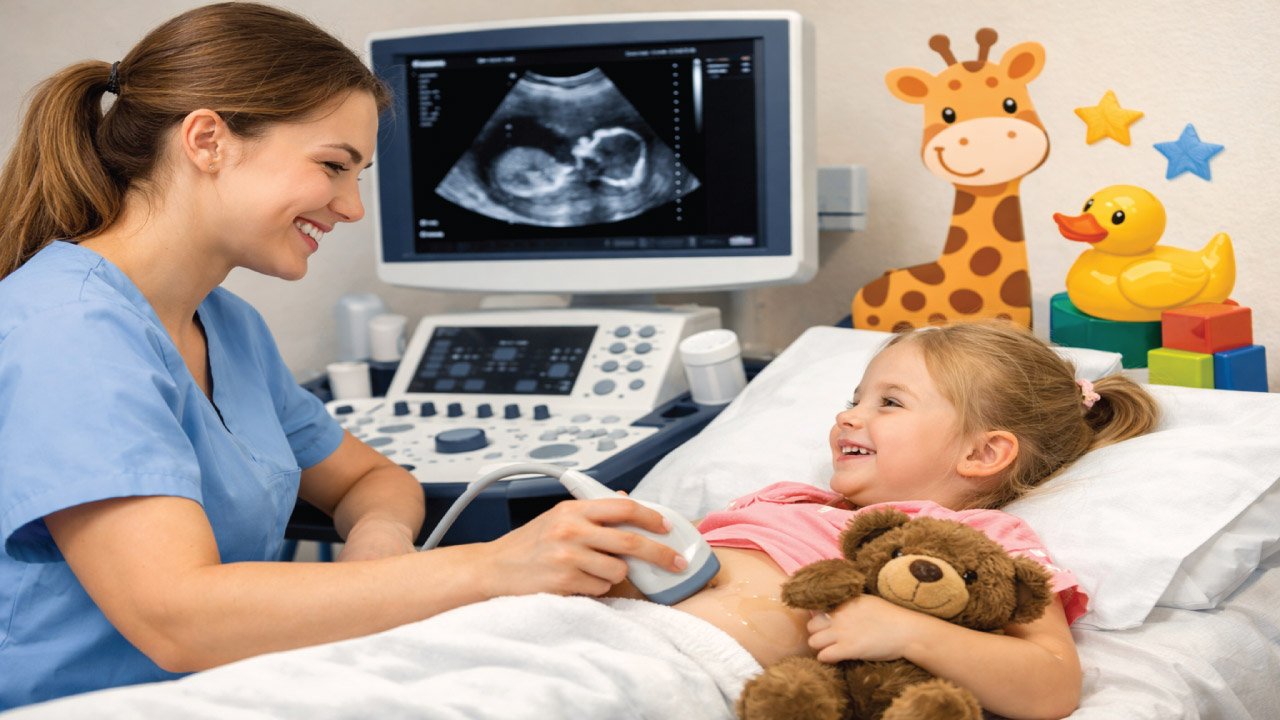
Pediatric Sonographer Job Description: A pediatric sonographer is a highly trained diagnostic medical imaging professional who specializes in performing ultrasound examinations on infants, children, and adolescents.
This role combines advanced technical skills with compassionate patient care, as young patients require a gentle approach, emotional reassurance, and specialized imaging techniques.
The job description of a pediatric sonographer goes far beyond operating an ultrasound machine. It includes patient preparation, image acquisition, collaboration with physicians, safety management, and maintaining accurate medical records.
These professionals play a critical role in the early detection and diagnosis of congenital abnormalities, infections, organ disorders, and emergency conditions in children.
This detailed guide explains the complete pediatric sonographer job description, including duties, work settings, qualifications, and career expectations.
Role Overview
The primary role of a pediatric sonographer is to produce high-quality diagnostic ultrasound images that help physicians evaluate a child’s internal organs, tissues, and blood flow without using radiation.
They work closely with:
- Pediatric radiologists
- Neonatologists
- Pediatricians
- Pediatric surgeons
- Nursing staff
Their imaging supports the diagnosis of conditions affecting the:
- Brain
- Abdomen
- Hips
- Heart
- Kidneys
- Liver
- Soft tissues
Because children’s bodies are smaller and constantly developing, this role requires specialized scanning techniques and deep knowledge of pediatric anatomy.
Key Job Duties and Responsibilities
1- Performing Pediatric Ultrasound Examinations
The central duty in this job is conducting safe and accurate ultrasound scans. This includes:
- Selecting the appropriate transducer
- Adjusting machine settings for pediatric patients
- Capturing diagnostic images and video clips
- Using Doppler when required
Common pediatric exams include:
- Abdominal ultrasound
- Cranial ultrasound (for infants)
- Hip ultrasound for developmental dysplasia
- Pelvic ultrasound
- Scrotal ultrasound
- Vascular studies
Each examination must follow strict imaging protocols to ensure diagnostic accuracy.
2- Preparing Patients for Procedures
Since pediatric patients are often anxious or unable to follow instructions, the sonographer must:
- Explain the procedure in a child-friendly way
- Prepare parents or guardians for the exam
- Ensure the child is calm and comfortable
- Position the patient correctly and safely
Preparation may also include:
- Ensuring proper hydration for certain exams
- Coordinating with feeding schedules for infants
- Using warm gel to prevent discomfort
3- Reviewing Physician Orders and Medical History
Before scanning, the pediatric sonographer reviews:
- The physician’s imaging request
- The patient’s medical history
- Previous imaging studies
This helps them:
- Focus on the correct anatomical area
- Identify suspected pathology
- Customize the scanning approach
Understanding the clinical question is essential for capturing the right images.
4- Image Documentation and Reporting
After completing the examination, the sonographer must:
- Select the best representative images
- Label them accurately
- Record technical findings
- Upload the study to the imaging system
Although they do not provide the final diagnosis, their preliminary observations help the interpreting physician.
5- Maintaining a Child-Friendly Environment
A major part of the job is creating a safe and welcoming space for children.
This includes:
- Using distraction tools like toys or cartoons
- Speaking in a calm and friendly tone
- Allowing parental presence during the exam
- Reducing scan time to minimize stress
This responsibility is unique to pediatric imaging and directly affects image quality and patient cooperation.
6- Ensuring Safety and Infection Control
Pediatric sonographers must follow strict safety standards, especially when working with:
- Premature newborns
- NICU patients
- Immunocompromised children
Their responsibilities include:
- Cleaning and disinfecting transducers
- Practicing proper hand hygiene
- Monitoring the child for discomfort or distress
- Using safe scanning pressure
Patient safety is always the top priority.
7- Assisting in Interventional and Bedside Procedures
In advanced clinical settings, pediatric sonographers assist with:
- Ultrasound-guided biopsies
- Fluid drainage procedures
- Line placements
- Emergency bedside scans
They provide real-time imaging support to help physicians perform these procedures safely.
Read More:
Work Settings
A pediatric sonographer may work in different healthcare environments, including:
1- Children’s Hospitals
This is the most common workplace, offering exposure to a wide range of pediatric conditions.
2- Neonatal Intensive Care Units (NICU)
In this setting, sonographers perform portable scans on critically ill newborns.
3- Pediatric Imaging Departments
These departments handle scheduled outpatient and inpatient cases.
4- Emergency Departments
Here, the sonographer performs urgent scans for trauma, appendicitis, or testicular torsion.
Each setting requires flexibility and strong time-management skills.
Educational Requirements
To become a pediatric sonographer, candidates typically need:
- An associate or bachelor’s degree in diagnostic medical sonography
- Clinical training in pediatric imaging
- Professional certification
Common certifications include:
- RDMS (Registered Diagnostic Medical Sonographer)
- Pediatric Sonography specialty credential
Specialized pediatric clinical experience is highly valued by employers.
Read More:
Required Skills for the Job
A successful pediatric sonographer must have a balanced combination of technical and interpersonal skills.
1- Technical Skills
- Expertise in ultrasound equipment
- Knowledge of pediatric anatomy and pathology
- Image optimization techniques
- Doppler imaging proficiency
2- Soft Skills
- Patience and compassion
- Strong communication skills
- Ability to work with children of all ages
- Attention to detail
- Emotional resilience
These skills are essential for both image quality and patient care.
Physical Requirements
The job is physically demanding and includes:
- Standing for long periods
- Moving portable ultrasound machines
- Assisting in patient positioning
- Scanning in ergonomically challenging positions
Proper body mechanics are important to prevent injury.
Work Schedule
Pediatric sonographers may work:
- Full-time hospital shifts
- Evening or night rotations
- Weekend and on-call duties
Emergency cases can occur at any time, especially in hospital settings.
Read More:
Career Growth Opportunities
With experience, pediatric sonographers can advance into roles such as:
- Lead pediatric sonographer
- Clinical instructor
- Department supervisor
- Pediatric echocardiography specialist
- Applications specialist for ultrasound companies
Continuing education and additional certifications support career progression.
Importance of the Role in Pediatric Healthcare
The pediatric sonographer’s job is crucial because ultrasound is often the first imaging test used in children.
Their work helps in:
- Early detection of congenital abnormalities
- Diagnosing life-threatening emergencies
- Monitoring organ development
- Guiding treatment plans
Accurate imaging can significantly improve a child’s chances of recovery.
Professional and Ethical Responsibilities
They must always:
- Protect patient confidentiality
- Obtain proper guardian consent
- Follow hospital protocols
- Provide respectful and culturally sensitive care
Professionalism builds trust with families and healthcare teams.
Difference Between General and Pediatric Sonographer Job Roles
While both roles use ultrasound technology, a pediatric sonographer:
- Works only with young patients
- Uses smaller, high-frequency transducers
- Requires specialized pediatric training
- Needs advanced communication techniques
This makes the role more emotionally and technically specialized.
Challenges in the Job
Like any healthcare profession, this role comes with challenges:
- Scanning uncooperative or crying children
- Handling critically ill newborns
- Emotional stress when dealing with sick patients
- Maintaining image quality under time pressure
However, the reward of helping children recover makes the profession highly fulfilling.
Conclusion
The pediatric sonographer job description reflects a career that is both technically advanced and emotionally meaningful.
These professionals are responsible for performing specialized ultrasound examinations, ensuring patient safety, supporting families, and contributing directly to accurate medical diagnosis.
Their role requires strong medical knowledge, exceptional imaging skills, and a compassionate personality.
From NICU bedside scans to routine outpatient exams, pediatric sonographers are an essential part of the pediatric healthcare system.
This career is ideal for individuals who want to combine technology with patient care and make a real difference in the lives of children every day.

Zak is a dedicated medical and career writer specializing in sonography, healthcare education, and professional development. Through SonographerSalary.com, he shares in-depth insights on sonographer salaries, education pathways, and career tips to help readers build successful futures in medical imaging. His content combines accuracy with practical, easy-to-understand guidance, empowering students and professionals to make confident, informed career decisions.