
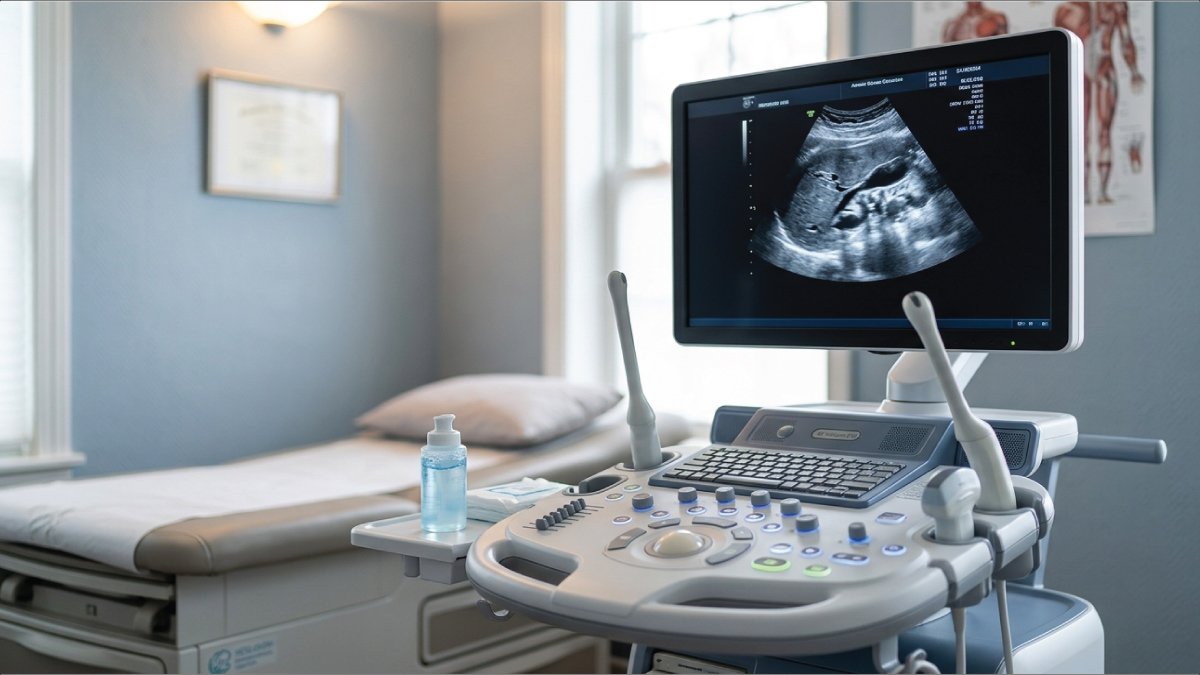
Choosing a career in healthcare can be both rewarding and practical, especially if you are looking for a role that combines technology, patient care, and strong job demand. One such career is that of an ultrasound technician, also known as a diagnostic medical sonographer.
If you are considering this path, a common question arises: what degree is needed to become an ultrasound technician? In this guide, we will break down everything you need to know about ultrasound technician education, including degree options, requirements, and the best path to enter the field.
Understanding the Role of an Ultrasound Technician
Before diving into degree requirements, it is important to understand what ultrasound technicians actually do. These professionals use specialized imaging equipment to create images of organs, tissues, and blood flow inside the body. These images help physicians diagnose and monitor medical conditions.
Ultrasound technicians work in hospitals, clinics, diagnostic labs, and private practices. Their responsibilities include:
- Preparing patients for procedures
- Operating ultrasound machines
- Interpreting basic imaging results
- Maintaining equipment
- Collaborating with physicians
Because this role involves both technical skills and patient interaction, proper education and training are essential.
What Degree Is Needed to Become an Ultrasound Technician?
The short answer: you typically need at least an associate degree for sonography. However, there are multiple educational paths depending on your goals, time commitment, and career aspirations.
1. Associate Degree for Sonography (Most Common Path)
The most popular route into the field is earning an associate degree for sonography. This program usually takes about 2 years to complete and is widely offered at community colleges and technical schools.
What You will Learn:
- Human anatomy and physiology
- Medical terminology
- Ultrasound physics
- Imaging techniques
- Patient care practices
Students also complete clinical training, which provides hands-on experience in real healthcare settings.
Why Choose This Option?
- Shorter time commitment
- Lower cost compared to a bachelor’s degree
- Direct path to entry-level jobs
For many students asking “what degree do you need for sonography?”, this is the most practical answer.
2. Bachelor Degree Ultrasound Technician Programs
A bachelor degree ultrasound technician program usually takes about four years to complete and provides a broader, more in-depth education than shorter program options. It is designed for students who want strong clinical training along with academic knowledge that can support long term career growth and specialization.
What Makes It Different?
In addition to core sonography training, bachelor’s programs often include:
- Advanced imaging techniques
- Healthcare management
- Research methods
- Specialized sonography areas (cardiac, vascular, etc.)
Benefits of a Bachelor’s Degree:
- Better job advancement opportunities
- Higher earning potential
- Eligibility for supervisory or administrative roles
While not always required, a bachelor’s degree can be very beneficial for students who want to expand their future opportunities in the healthcare field. It may be especially useful for those planning to specialize, move into leadership roles, or build a more advanced and competitive long-term career path.
3. Certificate Programs (Alternative Route)
Certificate programs are considered an alternative route into sonography for individuals who already have education or experience in a related healthcare profession. Instead of completing a full degree again, these programs provide focused ultrasound training in a shorter time, making career transition faster and more practical.
Who Is This For?
- Registered nurses
- Radiologic technologists
- Other allied health professionals
These programs usually take 12–18 months and focus specifically on ultrasound training.
However, for those without prior education, this option may not meet the full degree requirements for ultrasound technician roles.
Comparing Sonography Degree Types
When comparing sonography degree types, it is important to understand how each educational path matches different career goals, time commitments, and experience levels. Looking at them side by side can make it easier to choose the option that best fits your background, schedule, and future plans.
| Degree Type | Duration | Best For | Outcome |
|---|---|---|---|
| Associate Degree | 2 years | Beginners | Entry-level jobs |
| Bachelor’s Degree | 4 years | Career advancement | Leadership & specialization |
| Certificate | 1–1.5 years | Healthcare professionals | Quick transition |
Each option fits a different stage of your career journey.
Degree Requirements for Ultrasound Technician Programs
Before enrolling in an ultrasound technician program, it is important to understand the typical admission criteria most institutions expect. While specific requirements may vary slightly between schools, the core prerequisites remain largely consistent and are designed to ensure students are academically and professionally prepared for the demands of both coursework and hands on clinical training.
Common Requirements:
- High school diploma or equivalent
- Background in science (biology, physics recommended)
- Minimum GPA (varies by school)
- Entrance exams (sometimes required)
- Immunizations and background checks
Meeting these degree requirements for ultrasound technician programs ensures you’re prepared for both classroom and clinical training.
What Degree Do You Need for Sonography Specializations?
Choosing a path in sonography involves more than earning a general qualification, as the field offers multiple specializations with distinct skill requirements. Your degree level can shape your career direction, influencing both the type of patients you work with and the technologies you’ll use in professional clinical settings.
Common Specializations:
- Abdominal sonography
- Obstetric and gynecologic sonography
- Cardiac sonography (echocardiography)
- Vascular sonography
An associate degree can get you started in general sonography, but a bachelors degree may open doors to more specialized roles.
Also Read:
The Ultrasound Tech Education Path
Becoming an ultrasound technician involves a structured educational journey that combines academic learning with practical experience. Understanding each step in the process allows you to prepare ahead, stay on track, and meet both academic and professional expectations required in modern healthcare environments.
Step-by-Step Path:
1. Earn a high school diploma
Completing a high school diploma or equivalent is the foundational step toward becoming an ultrasound technician. Students should focus on science and math subjects, such as biology, physics, and algebra, as these build essential knowledge and problem-solving skills required for understanding diagnostic imaging concepts later in training.
2. Choose a sonography program (associate or bachelor’s)
Selecting the right sonography program is crucial for your career path and future opportunities. Associate degrees are typically shorter and career-focused, while bachelor’s degrees offer more in-depth education and specialization options. It’s important to choose an accredited program to ensure quality education and eligibility for certification exams after graduation.
3. Complete classroom coursework
Classroom learning provides the theoretical foundation needed for sonography practice. Students study subjects such as human anatomy, medical terminology, patient care, and ultrasound physics. This phase helps develop a strong understanding of how imaging technology works and prepares students to apply their knowledge accurately in real clinical situations.
4. Gain clinical experience
Clinical training allows students to apply their classroom knowledge in real healthcare settings under professional supervision. During this phase, students learn how to operate ultrasound equipment, interact with patients, and capture accurate diagnostic images. Hands-on experience is essential for building confidence and developing the practical skills required in daily job responsibilities.
5. Graduate from an accredited program
Graduating from an accredited sonography program ensures that your education meets industry standards and employer expectations. Accreditation also plays a key role in qualifying for certification exams and improving job prospects. Employers often prefer candidates who have completed recognized programs because it reflects proper training and professional readiness.
6. Obtain certification (recommended)
Although certification is not always legally required, most employers strongly prefer or require it when hiring ultrasound technicians. Certification demonstrates your competence, professionalism, and commitment to the field. It can also lead to better job opportunities, higher salaries, and increased credibility within the healthcare industry.
Certification is not always mandatory but is highly preferred by employers.
Also Read:
Importance of Accreditation
Accreditation plays a vital role when choosing a sonography program, as it ensures the education you receive meets established healthcare and academic standards. Enrolling in an accredited institution not only guarantees quality training but also helps you qualify for certification exams and improves your chances of securing employment after graduation.
Accredited programs ensure that your education meets industry standards. They also make you eligible for certification exams and improve job prospects.
Look for programs accredited by recognized healthcare education bodies.
Certification and Licensing
When considering what degree is needed to become an ultrasound technician, certification is an important factor beyond formal education. While a degree provides the necessary knowledge and training, certification validates your skills and shows employers that you meet professional standards expected in clinical environments.
Most employers prefer candidates who are certified. Certification demonstrates competency and professionalism.
Common Certification Areas:
- Abdomen
- Obstetrics and gynecology
- Adult echocardiography
To become certified, you typically need to graduate from an accredited program and pass an exam.
Skills You Develop During Ultrasound Technician Study
Training as an ultrasound technician helps you build a combination of technical expertise and essential interpersonal abilities. These skills are developed through both classroom instruction and clinical practice, preparing you to perform diagnostic procedures accurately while providing quality care and clear communication to patients.
Technical Skills:
- Operating imaging equipment
- Understanding anatomy
- Image analysis
Soft Skills:
- Communication
- Attention to detail
- Empathy and patient care
These skills are essential for success in real world healthcare environments.
Also Read:
Career Opportunities After Graduation
After completing your college degree in sonography, a variety of career paths become available across different healthcare environments. Graduates can choose settings that match their interests, whether fast-paced hospitals or more routine outpatient clinics, while also benefiting from increasing demand for diagnostic imaging professionals in modern medical systems.
Work Settings:
- Hospitals
- Diagnostic imaging centers
- Physician offices
- Outpatient care centers
Job Outlook:
The demand for ultrasound technicians continues to grow due to:
- Aging populations
- Increased use of imaging technology
- Non-invasive diagnostic methods
This makes sonography a stable and promising career choice.
Salary Expectations
Earning potential in sonography varies depending on several factors, including your level of education, years of experience, and chosen specialization. As you advance in your career and gain expertise in specific imaging areas, your opportunities for higher salaries and professional growth tend to increase significantly over time.
- Associate degree holders can earn competitive entry-level salaries
- Bachelor’s degree graduates may qualify for higher-paying roles
- Specialized sonographers often earn more
Investing in the right degree can significantly impact your long-term income.
Choosing the Right Degree for You
Deciding which degree to pursue in sonography depends on your career goals, financial situation, and how quickly you want to enter the workforce. Each educational path offers unique advantages, so understanding your priorities will help you select the option that aligns best with your long-term professional plans.
Choose an Associate Degree If:
- You want a fast entry into the workforce
- You prefer a cost effective option
- You’re aiming for entry level roles
Choose a Bachelor’s Degree If:
- You want career advancement
- You’re interested in specialization
- You aim for leadership roles
Choose a Certificate If:
- You already have a healthcare background
- You want to transition quickly
Final Thoughts
If you have been wondering “what degree is needed to become an ultrasound technician?”, the answer isn’t one size fits-all but most people start with an associate degree for sonography.
There are multiple sonographer degree options, each offering unique benefits depending on your career goals. Whether you choose an associate degree, pursue a bachelor degree ultrasound technician program, or take an alternative route, the key is selecting an accredited program that aligns with your ambitions.
By understanding the ultrasound tech education path, meeting the degree requirements for ultrasound technician programs, and gaining hands-on experience, you can build a successful and fulfilling career in sonography.

Zak is a dedicated medical and career writer specializing in sonography, healthcare education, and professional development. Through SonographerSalary.com, he shares in-depth insights on sonographer salaries, education pathways, and career tips to help readers build successful futures in medical imaging. His content combines accuracy with practical, easy-to-understand guidance, empowering students and professionals to make confident, informed career decisions.