
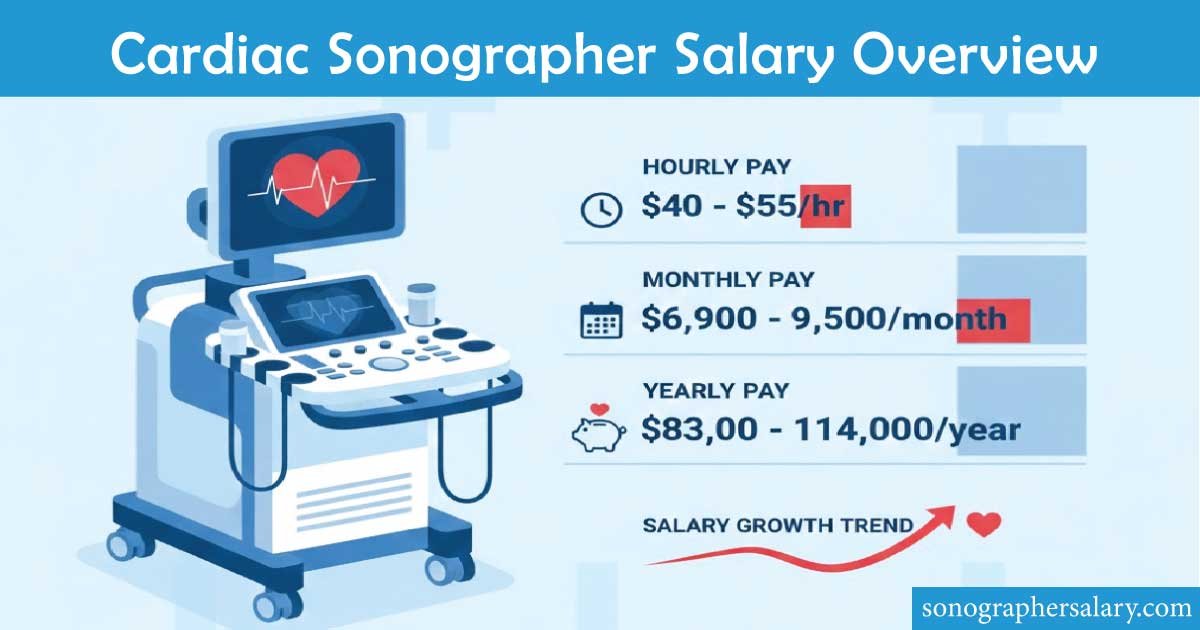
A cardiac sonographer—also known as an echocardiographer, is one of the most in-demand professionals in the medical imaging world. They use ultrasound technology to capture detailed images of the heart, helping cardiologists diagnose and treat heart diseases in patients of all ages. As cardiovascular conditions continue to rise across the United States, the demand for skilled cardiac sonographers is growing faster than ever.
And with rising demand comes a very important question: How much does a cardiac sonographer make in 2026?
This guide breaks down everything you need to know about the hourly, monthly, and yearly salary for cardiac sonographers in 2026, including factors that influence pay, the best states for earnings, job outlook, and how you can increase your income in this rapidly expanding field.
Introduction: Why Cardiac Sonographers Are in High Demand in 2026
Healthcare in the U.S. is shifting toward early detection, preventive care, and non-invasive diagnostic tests. Because of this shift, echocardiography has become a core part of cardiology departments, emergency rooms, and outpatient imaging centers.
By 2026, experts estimate that heart-related diagnoses will increase by more than 7%, driven largely by:
The aging population
Higher rates of hypertension
Increase in obesity and diabetes
Greater emphasis on early cardiac screening
Technological advancements in ultrasound
This rising demand naturally boosts salaries. Whether you’re entering the field or already working as a cardiac sonographer, 2026 brings strong salary growth, new opportunities, and competitive compensation.
Cardiac Sonographer Salary 2026 Overview (Quick Summary Chart)
| Salary Type | 2026 National Average |
|---|---|
| Hourly Salary | $37 – $47 per hour |
| Weekly Salary | $1,480 – $1,880 |
| Monthly Salary | $6,400 – $8,100 |
| Yearly Salary | $81,000 – $97,500 |
These are nationwide estimates. In some high-paying states, senior cardiac sonographers may earn $110,000 to $130,000+ per year.
Hourly Salary for Cardiac Sonographers in 2026
Hourly pay is especially important for techs who pick up extra shifts, night shifts, or weekend coverage. It’s also essential for per-diem and travel sonographers.
Average Hourly Rates (2026)
Entry-Level: $31 – $35 per hour
Mid-Level (3–6 years): $37 – $42 per hour
Experienced (7+ years): $45 – $52 per hour
Highly Specialized / Advanced Credentialing: $55+ per hour
Cardiac sonographers working in hospitals with high patient volume or in emergency/critical care settings often earn the top pay ranges. Shift differentials also contribute to higher income, especially for night, weekend, and holiday shifts.
Also Read This Famous Blog: Sonographer Starting Salary for New Graduates
Monthly Salary for Cardiac Sonographers in 2026
Most full-time cardiac sonographers are paid bi-weekly or monthly. Monthly income varies widely by employer, certification level, and geographical region.
Average Monthly Income (2026)
$6,400 – $8,100 per month
However, several factors push monthly earnings even higher:
Being on-call
Taking overtime during peak cardiac seasons
Working in a trauma hospital
Holding advanced certifications such as RDCS or RCS
Supervising other sonographers
In high-paying states like California, Washington, and New York, monthly salary can reach $8,800 – $11,000 for experienced professionals.
Yearly Salary for Cardiac Sonographers in 2026
Cardiac sonographers consistently rank among the highest-paid ultrasound professionals because heart-related diagnostics are essential, time-sensitive, and performed in almost every major hospital.
Yearly Salary Range (2026):
$81,000 – $97,500 per year
With that said, specific positions can pay significantly more:
Senior Echocardiographer: $95,000 – $120,000
Lead Sonographer: $100,000 – $130,000
Travel Cardiac Sonographer: $110,000 – $160,000+
Pediatric Cardiac Sonographer: $95,000 – $130,000
Travel sonographers and pediatric echo specialists are among the top earners due to higher skill requirements and shortages in many states.
Also Read This Famous Blog: Cardiac Sonographer Pay Scale: What to Expect
Cardiac Sonographer Salary by Experience Level (2026)
Experience is one of the strongest predictors of salary in cardiac sonography. As you gain expertise, your value increases significantly.
1. Entry-Level (0–2 years)
Salary: $65,000 – $74,000
Typically work under supervision
Learning advanced cardiac views and stress echo procedures
2. Mid-Level (3–6 years)
Salary: $76,000 – $90,000
Handle complex cardiac cases independently
May perform stress echocardiography
3. Senior Level (7+ years)
Salary: $90,000 – $110,000
Often specialize or take leadership roles
Mastery of 2D/3D/strain imaging
4. Specialist Level (Pediatric, TEE, or Lead Echo Tech)
Salary: $100,000 – $140,000
Advanced modalities
Higher demand and fewer trained professionals
Differences Between Adult and Pediatric Cardiac Sonographer Salary
The salaries of adult and pediatric cardiac sonographers vary noticeably due to differences in training, responsibilities, and patient needs. Pediatric cardiac sonography requires advanced skills in congenital heart conditions and child-specific care, often leading to higher pay, stronger demand, and better overall compensation packages.
Adult Cardiac Sonographer (2026)
Adult cardiac sonographers focus primarily on evaluating heart function in teens, adults, and seniors. Their work includes performing echocardiograms for conditions such as heart failure, valve disease, and arrhythmias. While the role requires strong technical and diagnostic skills, it does not typically involve the specialized training needed for pediatric congenital heart defects.
Salary Range: $78,000 – $95,000 per year
Pediatric Cardiac Sonographer (2026)
Pediatric cardiac sonographers specialize in imaging newborns, infants, and children, many of whom have congenital heart abnormalities. This work demands exceptional precision, advanced pediatric echo training, and the ability to keep young patients calm. Because of the expertise required, employers—especially children’s hospitals—offer significantly higher salaries and stronger incentives.
Salary Range: $95,000 – $130,000 per year
Additional Insight
Children’s hospitals frequently offer compensation above national averages due to persistent shortages of qualified pediatric echo specialists. These facilities rely heavily on highly trained sonographers who can handle complex congenital cases. As demand continues to rise, many pediatric centers provide bonuses, relocation assistance, and higher base pay to attract skilled professionals.
Also Read This Famous Blog: Pediatric Sonographer Salary by Experience Level
Best Paying States for Cardiac Sonographers in 2026
States with high cost of living and major cardiology centers offer higher pay. Here’s what to expect.
Top 10 Highest-Paying States (2026)
California: $110,000 – $135,000
Washington: $98,000 – $120,000
New York: $95,000 – $118,000
Massachusetts: $94,000 – $116,000
Oregon: $92,000 – $112,000
Hawaii: $94,000 – $120,000
New Jersey: $90,000 – $110,000
Illinois: $88,000 – $105,000
Colorado: $87,000 – $104,000
Connecticut: $90,000 – $112,000
Mid-Level Paying States
Texas: $72,000 – $92,000
Florida: $70,000 – $90,000
Georgia: $72,000 – $88,000
Ohio: $73,000 – $89,000
Lower-Paying States
Lower salaries, but lower cost of living:
Mississippi: $63,000 – $75,000
Arkansas: $65,000 – $78,000
Alabama: $65,000 – $80,000
Even in lower-wage states, 2026 is expected to bring steady salary growth due to national shortages.
Cardiac Sonographer Salary by Work Setting
Work setting plays a major role in determining how much a cardiac sonographer earns. Different environments bring different responsibilities, stress levels, and schedules. Hospitals, clinics, mobile services, and travel assignments each offer unique advantages, with pay increasing as workload complexity and flexibility demands rise.
1. Hospitals (Highest Pay Potential)
Hospitals typically offer the highest pay because cardiac sonographers handle a wide range of urgent and complex cases. From emergency rooms to cardiac care units, the workload is fast-paced and demanding. Many hospitals also offer additional income through on-call shifts, overtime opportunities, and specialty procedures that require advanced skill.
Salary Range: $80,000 – $105,000+
2. Outpatient Cardiology Clinics
Outpatient cardiology clinics provide reliable, predictable schedules with fewer emergencies compared to hospital settings. Sonographers here usually perform routine echocardiograms on stable patients, resulting in lower stress. While the pay is slightly lower, many professionals prefer this environment due to the steady workflow, work-life balance, and friendly clinical atmosphere.
Salary Range: $75,000 – $95,000
3. Mobile Ultrasound Companies
Mobile ultrasound sonographers travel between multiple facilities such as physician offices, small clinics, and rural care centers. The work can involve early mornings, long drives, and varied patient conditions. Although the pace can be unpredictable, mobile roles offer strong independence and competitive pay for those who enjoy flexible environments.
Salary Range: $70,000 – $90,000
4. Travel Cardiac Sonographer Positions
Travel cardiac sonographers earn the highest salaries due to the urgent nationwide demand for temporary specialists. These roles involve short-term assignments across states, often in rural or understaffed hospitals. Weekly compensation is significantly higher, making travel positions ideal for those seeking adventure, financial growth, and diverse clinical experience.
Salary Range: $110,000 – $160,000
Weekly Pay: $2,300 – $3,200+
Also Read This Famous Blog: Pediatric Sonographer Salary by Experience Level
Shift Differentials & On-Call Pay
Many cardiac sonographers increase their pay significantly with shift differentials.
Typical 2026 Differentials:
Evening shift: +$2.50 to +$4.00/hour
Night shift: +$4.50 to +$7.00/hour
Weekend: +$5.00 to +$10.00/hour
Holiday: +Double pay
On-call: $3.00 – $6.00/hour + time-and-a-half when called in
On-call cardiovascular teams are essential in trauma hospitals, so cardiac sonographers working these shifts often end the year with $10,000–$20,000+ extra income.
Skills That Increase Cardiac Sonographer Salary
To reach the top salary range, cardiac sonographers benefit greatly from advanced certifications, specialized training, and extensive hands-on experience. Skills such as pediatric echocardiography, stress testing, and 3D imaging can significantly boost earning potential. Employers value these credentials, often offering higher pay, bonuses, and leadership opportunities to qualified professionals.
1. Advanced Registry Credentials
RDCS (Adult Echocardiography)
RDCS (Pediatric)
RCS (Cardiac Sonographer)
Advanced cardiac strain imaging
Those with multiple credentials earn the highest pay.
2. Mastery of Specialized Exams
Stress echocardiography
3D echocardiography
Transesophageal echocardiograms (TEE)
Pediatric and fetal cardiac imaging
3. High-Volume Echo Experience
Hospitals with large cardiology departments often offer higher salaries to experienced cardiac sonographers. These professionals are valued for their ability to manage complex cases, perform advanced imaging, and respond to emergencies efficiently. The combination of specialized skills, high patient volume, and critical care responsibilities drives their increased compensation.
Job Outlook for Cardiac Sonographers
The job outlook for cardiac sonographers remains exceptionally strong due to an aging population, increasing prevalence of heart disease, and ongoing shortages of qualified specialists. Demand is particularly high in pediatric and rural care settings, creating abundant opportunities for career growth, competitive salaries, and long-term job stability in the field.
Projected Growth:
9% – 12% increase by 2026
Reasons for strong demand:
Increasing heart disease rates
Expansion of cardiology labs
More ultrasound replacing invasive procedures
Retirement of senior sonographers
Technological improvements in imaging
Cardiac sonographers will continue to be essential to healthcare, ensuring stable employment and rising pay.
Also Read This Famous Blog: Travel Sonographer Salary Comparison: USA vs Canada
How to Increase Your Cardiac Sonographer Salary
If you want to maximize your cardiac sonographer earnings, there are several proven strategies. By acquiring advanced credentials, gaining specialized skills, choosing high-paying locations, and pursuing strategic work opportunities, you can significantly boost your salary while advancing your career in cardiology imaging.
1. Earn an Advanced Credential
Obtaining credentials such as the RDCS for adult or pediatric echocardiography demonstrates expertise and often leads to immediate salary increases. Employers value certified sonographers for their technical knowledge, accuracy, and ability to perform complex studies. Advanced certification can also open doors to leadership roles and specialized clinical positions.
2. Add a Subspecialty
Specializing in areas like stress echocardiography, transesophageal echo (TEE), strain imaging, or pediatric echocardiography increases your value to employers. Subspecialties require additional training but make you eligible for higher-paying positions. Hospitals and specialty clinics actively seek sonographers with niche skills, rewarding expertise with enhanced salaries and career advancement opportunities.
3. Move to a High Paying State
Location significantly affects salary. States like California, Washington, and Massachusetts typically offer the highest compensation for cardiac sonographers due to demand, cost of living, and specialized medical centers. Relocating to these states can substantially increase earnings, especially when combined with advanced skills and certifications that are highly sought after in competitive healthcare markets.
4. Apply for Hospital Positions
Hospital-based cardiac sonographers generally earn more than those in outpatient clinics. Hospitals, particularly trauma centers and specialized cardiac units, value staff who can handle complex, urgent cases. Working in such settings often provides additional pay through overtime, shift differentials, and on-call responsibilities, making hospital positions highly lucrative for experienced sonographers.
5. Work Travel Assignments
Travel cardiac sonographers can significantly boost their income by accepting short-term assignments across the country. These positions often pay double the average annual salary and include housing stipends and travel benefits. Travel roles are ideal for those seeking high earnings, diverse clinical experience, and exposure to different hospital systems and patient populations.
6. Take On-Call Shifts
Accepting on-call shifts can dramatically increase your income. Hospitals rely on on-call cardiovascular teams to respond to emergencies, including ER cases, cath lab procedures, and intensive care needs. Sonographers who are flexible with nights, weekends, and holidays often earn significant additional pay, making on-call work a smart strategy for boosting overall compensation.
7. Gain Experience in Critical Care Areas
Experience in critical care areas such as CVICU, emergency rooms, and catheterization labs is highly valued by employers. Sonographers skilled in high-pressure environments demonstrate advanced technical ability and patient management skills. This expertise often leads to higher salaries, leadership opportunities, and eligibility for specialized assignments that carry premium compensation.
Is Cardiac Sonography a Good Career for 2026?
Absolutely.
Cardiac sonography offers:
Strong salary growth
Excellent job stability
Opportunities for specialization
Non-invasive clinical work
High demand across the U.S.
It’s one of the best-paying diagnostic imaging careers, and salaries continue to rise year after year.
Conclusion
The cardiac sonographer salary in 2026 is projected to remain strong, with hourly pay between $37 and $47, monthly earnings of $6,400 to $8,100, and yearly salaries ranging from $81,000 to $97,500. With experience, specialization, and advanced credentials, salaries can rise above $120,000, especially in high-paying states or travel assignments.
As cardiovascular diseases continue to increase across the nation, the demand for skilled cardiac sonographers will remain high. Whether you’re entering the field or looking to advance your career, 2026 offers excellent financial potential and long-term stability.

Zak is a dedicated medical and career writer specializing in sonography, healthcare education, and professional development. Through SonographerSalary.com, he shares in-depth insights on sonographer salaries, education pathways, and career tips to help readers build successful futures in medical imaging. His content combines accuracy with practical, easy-to-understand guidance, empowering students and professionals to make confident, informed career decisions.