
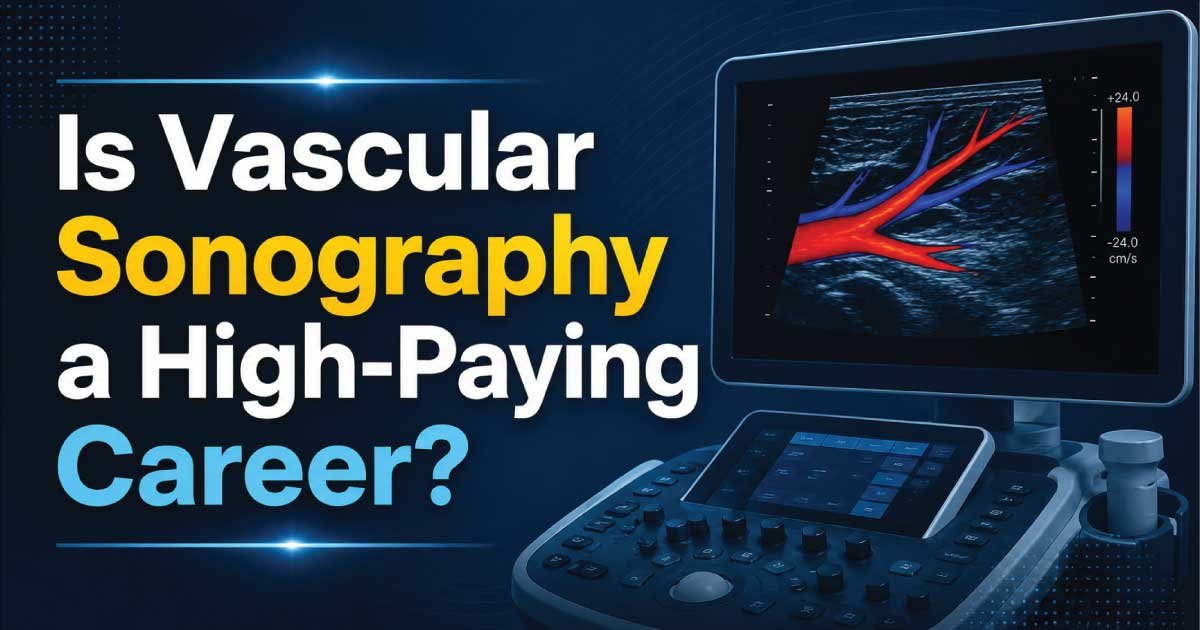
Choosing a career in healthcare often involves balancing passion, job stability, and earning potential. One profession that has gained increasing attention in recent years is vascular sonography. With the growing prevalence of cardiovascular disease, an aging population, and rapid advances in diagnostic imaging, vascular sonographers are in high demand. But an important question remains: Is vascular sonography a high-paying career?
This in-depth guide explores salary expectations, career growth, education requirements, work environments, and long-term earning potential to help you decide whether vascular sonography is the right—and financially rewarding—career path for you.
What Is Vascular Sonography?
Vascular sonography is a specialized branch of diagnostic medical sonography that focuses on imaging blood vessels and evaluating blood flow throughout the body. Vascular sonographers (also called vascular technologists) use ultrasound technology to help physicians diagnose conditions such as:
- Blocked or narrowed arteries
- Blood clots (deep vein thrombosis)
- Aneurysms
- Peripheral artery disease
- Carotid artery disease
- Venous insufficiency
Unlike some imaging professions, vascular sonography is non-invasive, does not use radiation, and plays a critical role in early diagnosis and treatment planning.
Average Salary of a Vascular Sonographer
When assessing whether vascular sonography is high-paying, salary is the most obvious place to start.
In many countries—particularly the United States—vascular sonographers earn above-average wages compared to many allied health professions. According to labor market data from organizations such as the Bureau of Labor Statistics, diagnostic medical sonographers as a group earn a solid median income, with vascular specialists often earning more than general sonographers due to their advanced skill set.
Typical Salary Ranges
Salary expectations for vascular sonographers vary based on experience level, workplace setting, geographic location, and additional certifications. However, most professionals experience steady income growth over time, making this career financially attractive compared to many other allied health roles with similar educational requirements.
- Entry-level: Competitive starting salaries shortly after certification
- Mid-career: Strong wage growth with experience and specialization
- Experienced professionals: Significantly higher earnings, especially in hospitals or specialized vascular labs
Compared to many careers requiring similar levels of education (associate or bachelor’s degree), vascular sonography offers an excellent return on investment.
Factors That Influence Pay in Vascular Sonography
Not all vascular sonographers earn the same income, even with similar educational backgrounds. Salary levels are shaped by multiple professional and external variables, including where someone works, how much experience they possess, and the credentials they hold within the vascular imaging field.
Geographic Location
Geographic location is one of the most influential factors affecting vascular sonographer salaries. Urban centers, regions with extensive hospital networks, and areas facing healthcare workforce shortages often provide higher compensation, while states with higher living costs usually adjust wages to remain competitive.
Experience and Skill Level
Experience directly impacts earning potential in vascular sonography. Professionals who have spent more time performing complex exams, refining diagnostic judgment, and demonstrating consistent accuracy are often rewarded with higher pay, leadership opportunities, and increased trust from physicians and employers.
Certifications and Credentials
Certifications and professional credentials significantly boost salary potential in vascular sonography. Employers value credentials from organizations like American Registry for Diagnostic Medical Sonography, as they signal advanced knowledge, technical competence, and commitment to professional standards.
Work Setting
The type of healthcare environment a vascular sonographer works in can greatly influence compensation. Facilities with higher patient volumes, advanced technology, or specialized services often offer higher wages, stronger benefits, and more opportunities for career advancement.
- Hospitals
- Outpatient diagnostic imaging centers
- Physician offices
- Specialized vascular labs
- Mobile imaging services
Hospitals and specialty clinics often offer higher pay and better benefits than smaller private practices.
Education and Training: Cost vs. Return
One major reason vascular sonography is viewed as a financially appealing healthcare career is its efficient balance between education time, training costs, and earning potential. Compared to many medical professions with similar salaries, the path to becoming a vascular sonographer is shorter, more affordable, and allows professionals to enter the workforce relatively quickly.
Education Requirements
Education requirements for vascular sonographers are designed to provide strong clinical skills without excessive time or financial investment. Most programs combine classroom instruction with hands-on clinical training, preparing students for real-world diagnostic responsibilities while keeping total program length far shorter than many advanced healthcare degrees.
Most vascular sonographers complete one of the following:
- An associate degree in diagnostic medical sonography
- A bachelor’s degree in sonography or a related field
- A post-graduate certificate (for those already in healthcare)
Programs typically take 18 months to 4 years, far less than medical school or many other healthcare professions with comparable earning potential.
Certification and Licensing
Certification and licensing play a critical role in career advancement and earning potential for vascular sonographers. While regional requirements differ, employers strongly favor certified professionals because credentials demonstrate technical competence, clinical accuracy, and adherence to industry standards.
Although licensing requirements vary by region, certification is strongly preferred by employers and often required. Becoming certified increases credibility, job security, and long-term income potential, particularly through organizations like American Registry for Diagnostic Medical Sonography.
Return on Investment (ROI)
Return on investment is a key strength of vascular sonography as a career choice. Lower education costs, shorter training periods, and steady demand allow many professionals to recover tuition expenses quickly while enjoying stable income, long-term job security, and reduced student debt compared to other healthcare careers.
When comparing tuition costs with earning potential, vascular sonography ranks highly. Many professionals are able to enter the workforce quickly, avoid excessive student debt, and start earning a stable income early in their careers.
How Does Vascular Sonography Compare to Other Healthcare Careers?
When evaluated alongside other healthcare careers, vascular sonography consistently performs well in terms of salary potential, education length, and long-term stability. Its combination of specialized skills, shorter training pathways, and strong demand makes it especially attractive compared to many allied health and clinical professions.
- Compared to nursing: Similar or higher pay in some regions, with less emotional burnout
- Compared to radiologic technologists: Often higher pay due to specialization
- Compared to physical therapy assistants: Competitive or better wages with shorter training
Few healthcare careers offer such a strong combination of income potential, manageable education costs, and long-term demand.
Read More:
Challenges to Consider
Although vascular sonography offers strong financial and professional benefits, it also comes with physical and mental demands that should be carefully considered. Understanding these challenges helps individuals make informed career decisions and prepares them for the realities of daily clinical work.
- Standing for long periods
- Performing repetitive movements
- Working with critically ill patients
- Maintaining continuing education and certification
However, for many professionals, the financial rewards and job satisfaction outweigh these challenges.
Is Vascular Sonography Truly a High-Paying Career?
Determining whether vascular sonography qualifies as a high-paying career depends on expectations, career goals, and comparisons within healthcare. For most allied health professionals, vascular sonography offers an above-average income, solid stability, and meaningful work without excessive educational debt.
While it may not reach the salary levels of physicians or advanced practice providers, vascular sonography offers:
- Above-average income for an allied health profession
- Strong job security and demand
- Relatively short and affordable education
- Opportunities for advancement and specialization
- A meaningful role in patient care
For individuals seeking a stable, respected healthcare career with solid earning potential and a reasonable work-life balance, vascular sonography stands out as an excellent choice.
Read More:
Final Thoughts
Vascular sonography combines technology, patient care, and diagnostic expertise into a career that is both financially and personally rewarding. With the right education, certification, and dedication, it can provide long-term stability and income growth in an ever-expanding healthcare landscape.
If you are interested in healthcare, enjoy working with technology, and want a career that pays well without a decade of schooling, vascular sonography may be exactly the opportunity you’re looking for.

Zak is a dedicated medical and career writer specializing in sonography, healthcare education, and professional development. Through SonographerSalary.com, he shares in-depth insights on sonographer salaries, education pathways, and career tips to help readers build successful futures in medical imaging. His content combines accuracy with practical, easy-to-understand guidance, empowering students and professionals to make confident, informed career decisions.