
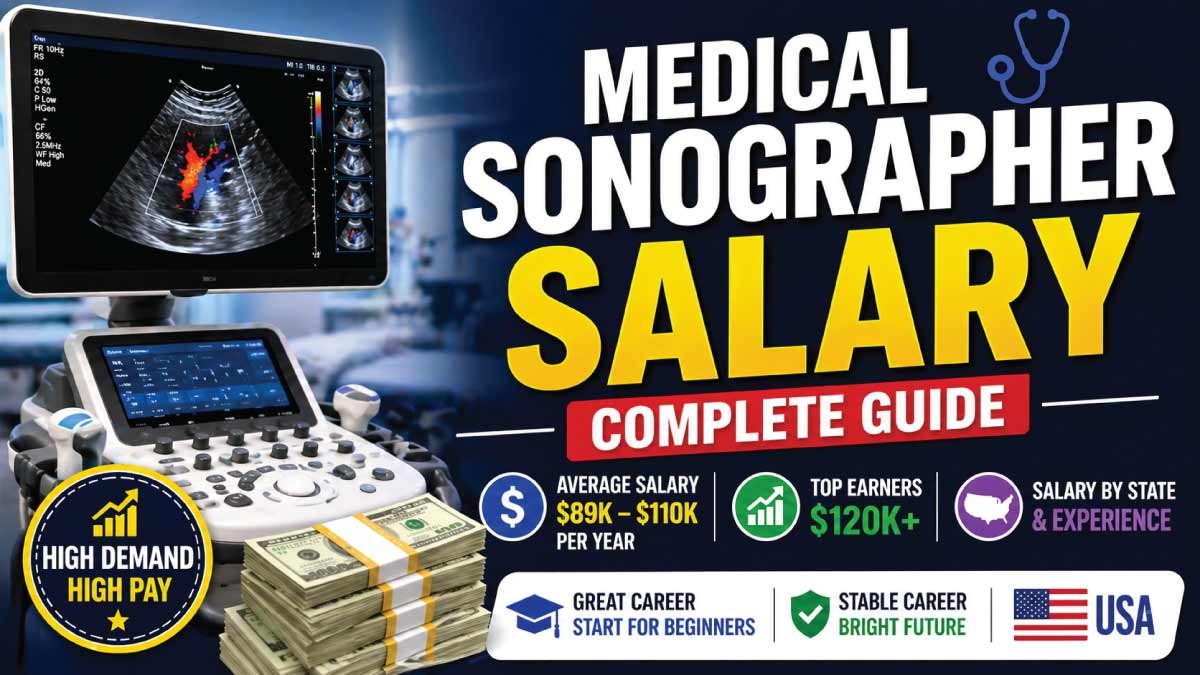
The healthcare field continues to grow rapidly in 2026, and one career that stands out for both stability and income is medical sonography. If you are thinking about becoming a sonographer—or you are already in the field—you are likely wondering how much you can earn and how your salary can grow over time.
Medical sonographers play a vital role in diagnosing patients using ultrasound technology. Their work helps doctors detect diseases, monitor pregnancies, and guide treatments. But beyond the meaningful impact, this career is also known for offering strong financial rewards.
In this detailed guide, you’ll learn everything about medical sonographer salary in 2026, including hourly pay, monthly income, experience-based growth, and tips to increase your earnings.
What Does a Medical Sonographer Do?
A medical sonographer is a trained healthcare professional who uses ultrasound equipment to create images of organs, tissues, and blood flow inside the body. These images are then used by physicians to make accurate medical decisions.
Sonographers often work closely with patients, ensuring they are comfortable during procedures while capturing clear and detailed scans. It’s a career that combines technology, patient care, and medical knowledge.
Average Medical Sonographer Salary in 2026
In 2026, medical sonography remains a high-paying career, especially compared to many other professions that require only a few years of education.
Here’s a realistic breakdown of earnings:
Average yearly salary: $95,000 – $105,000
Average monthly income: $7,900 – $8,700
Average weekly pay: $1,800 – $2,000
Average hourly wage: $45 – $50
Most sonographers fall within this range, depending on their experience, skills, and location. Even at the lower end, the salary is considered strong for a healthcare role that doesn’t require a full medical degree.
Entry-Level vs Experienced Salary
Your income as a sonographer increases significantly as you gain experience in the field.
Entry-Level (0–2 Years)
When starting out, you may earn slightly less, but the pay is still competitive.
- Salary range: $75,000 – $85,000
- Focus: Learning scanning techniques and building confidence
- Growth: Fast salary increases within the first few years
Mid-Level (3–7 Years)
At this stage, you become more skilled and efficient in your role.
- Salary range: $85,000 – $100,000
- More independence in performing scans
- Opportunities to specialize
Senior-Level (8+ Years)
Experienced sonographers earn some of the highest salaries in this field.
- Salary range: $100,000 – $120,000+
- Leadership roles and mentoring
- Advanced certifications boost income further
Experience is one of the most powerful factors in determining your salary, and the growth potential in this career is steady and reliable.
Salary by Specialization
Not all sonographers earn the same. Your specialty can make a noticeable difference in how much you earn.
High-Paying Specialties in 2026
Cardiac Sonography (Echocardiography): This specialty focuses on imaging the heart. Due to its complexity and demand, it is one of the highest-paying areas.
Vascular Sonography: Involves examining blood vessels and circulation. Highly valued in hospitals and diagnostic centers.
Pediatric Sonography: Working with children requires additional skill and patience, which can increase earning potential.
Obstetric and Gynecologic Sonography: A popular field focused on pregnancy and reproductive health.
Choosing a specialty not only improves your skills but also increases your income potential over time.
Salary by Work Setting
Where you work can also impact how much you earn as a sonographer.
Hospitals
- Typically offer the highest salaries
- Opportunities for overtime and night shifts
- Fast-paced environment
Outpatient Centers
- Competitive hourly rates
- More predictable schedules
Private Clinics
- Stable work hours
- Slightly lower pay compared to hospitals
Diagnostic Labs
- Lower stress environment
- Moderate salary range
Each workplace has its own advantages, so the best choice depends on your lifestyle and career goals.
Location and Its Impact on Salary
Your geographic location plays a major role in your salary. In general, areas with a higher cost of living tend to offer higher wages.
In countries like the United States, major cities and coastal states often provide higher salaries. However, these areas also come with increased living expenses.
If you are open to relocating, choosing a high-demand area can significantly boost your income.
Also Read:
Additional Benefits and Perks
Medical sonographers often receive more than just a base salary. Many employers offer attractive benefits that increase total compensation.
Common benefits include:
- Health and dental insurance
- Retirement savings plans
- Paid vacation and sick leave
- Overtime pay opportunities
- Performance bonuses
These benefits add long-term financial security and improve overall job satisfaction.
Job Demand and Future Outlook
The demand for medical sonographers continues to grow in 2026, driven by several factors:
- Aging population requiring more diagnostic imaging
- Increased use of ultrasound technology
- Expansion of healthcare facilities
This rising demand means more job opportunities and better salary growth for professionals in the field.
Unlike some careers that fluctuate with the economy, healthcare remains a stable and reliable industry.
Also Read:
Is Medical Sonography a Good Career in 2026?
Yes, medical sonography is considered one of the best healthcare careers in 2026—and for good reason.
Key Advantages
Strong Income Potential: Earning close to or above $100,000 annually is achievable with experience.
Short Training Period: Most programs can be completed in 2–4 years, making it faster than many medical careers.
Work-Life Balance: Flexible schedules are available, especially in clinics and outpatient centers.
Career Stability: High demand ensures long-term job security.
For those who want a meaningful career with financial stability, sonography is an excellent choice.
How to Increase Your Salary as a Sonographer
Increasing your salary as a sonographer depends on how strategically you build your skills and experience over time. By focusing on certifications, specialization, and extra work opportunities, you can steadily improve your income. Smart career planning in healthcare can help you move into higher-paying roles faster and more efficiently.
1. Earn Professional Certifications
Professional certifications are a powerful way to increase your salary as they show advanced knowledge and technical skills in sonography. Employers value certified professionals because they require less training and perform better. Earning credentials can help you qualify for better positions, promotions, and higher starting salaries in competitive healthcare environments.
2. Specialize in a High-Demand Field
Specializing in areas like cardiac, vascular, or pediatric sonography can significantly increase your earning potential. These fields require advanced expertise and are always in demand in hospitals and diagnostic centers. With specialization, you become more valuable to employers, which often results in higher pay, better job security, and stronger career growth.
3. Gain Experience
Experience is one of the most important factors in salary growth for sonographers. As you work longer in the field, you develop stronger skills, faster diagnosis abilities, and better patient handling. Employers reward experienced professionals with higher salaries, promotions, and leadership roles, making long-term practice essential for income improvement.
4. Take Extra Shifts
Taking extra shifts such as weekends, evenings, or overtime hours is an effective way to increase your monthly income. Many healthcare facilities offer higher pay rates for additional hours worked. This allows you to boost your earnings without changing jobs, while also gaining more hands-on experience in different clinical situations.
5. Explore Travel Sonography
Travel sonography offers excellent earning opportunities for those willing to work in different locations. Travel sonographers receive higher salaries along with housing and travel allowances. This career path provides flexibility, adventure, and financial benefits, making it a great option for sonographers who want to maximize income while gaining diverse work experience.
Also Read:
Career Growth Opportunities
Medical sonography offers clear paths for advancement. As you gain experience, you can move into higher-level roles such as:
- Senior Sonographer
- Lead Technologist
- Imaging Department Supervisor
- Clinical Instructor
These roles not only increase your salary but also provide leadership opportunities and career satisfaction.
Career Insight
Many sonographers start their journey unsure about where the career will lead. However, within a few years, they often find themselves earning strong salaries and enjoying stable work environments.
For example, a new graduate might begin at $80,000 per year. Within five years, with the right skills and certifications, that same individual could be earning over $100,000 annually.
This kind of growth is what makes sonography such an attractive career option.
Final Thoughts
Medical sonographer salary in 2026 reflects the importance and demand of this profession. With average earnings around $95,000 to $105,000 per year, along with excellent job stability, it stands out as one of the best healthcare careers available today.
Whether you are just starting out or planning to advance in your current role, the opportunities in this field are both rewarding and long-lasting.
If you are looking for a career that combines technology, patient care, and financial growth, medical sonography is definitely worth considering.

Zak is a dedicated medical and career writer specializing in sonography, healthcare education, and professional development. Through SonographerSalary.com, he shares in-depth insights on sonographer salaries, education pathways, and career tips to help readers build successful futures in medical imaging. His content combines accuracy with practical, easy-to-understand guidance, empowering students and professionals to make confident, informed career decisions.