
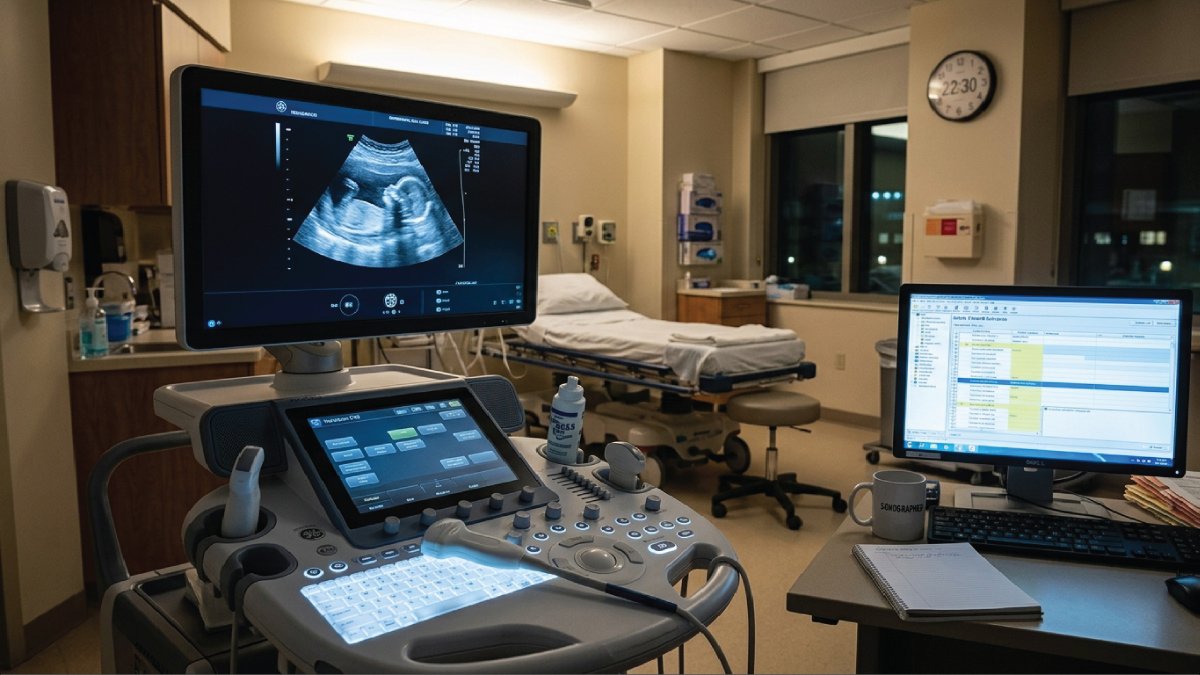
Medical sonography is often seen as a rewarding healthcare career that combines advanced technology, patient interaction, and diagnostic responsibility. Yet for many people considering this path, one of the biggest questions is not about education or salary it is about lifestyle. What does a typical day look like? How demanding is the schedule? And how flexible are the hours in real life?
In this in depth guide, we will explore what hours do sonographers work, what their daily routines involve, and how factors like workplace setting, shifts, and stress shape the overall experience. Whether you are a student researching careers or a professional considering a change, this article breaks down the realities of sonographer work hours and daily life.
Understanding the Sonographer Work Schedule
A sonographer work schedule can vary significantly depending on where you work, your specialty, and whether your role is full time, part time, or per diem. Unlike a traditional 9 to 5 office job, sonography often follows healthcare based schedules that may include early mornings, evenings, nights, weekends, or on call hours.
Most full time sonographers work around 40 hours per week, but those hours are not always evenly distributed. Some facilities use four 10-hour shifts, while others rely on five 8-hour shifts. Flexibility is common, but so is variability.
The most important thing to understand is that there is no single universal schedule sonography adapts to patient needs, which can happen at any time of day.
What Hours Do Sonographers Work?
Sonographer work hours can vary widely based on where they are employed and the type of patients they serve. Some roles follow regular daytime schedules, while others require flexibility, shift work, or availability during emergencies. The answer depends largely on the work setting:
Hospitals often require 24/7 coverage, meaning sonographers may work days, evenings, nights, weekends, and holidays.
Outpatient clinics typically operate during standard business hours, such as 8 a.m. to 5 p.m., Monday through Friday.
Private practices and imaging centers usually offer the most predictable schedules.
Mobile or travel sonography roles may involve irregular hours and frequent changes in location.
In hospitals, hospital work hours sonographer roles often include rotating shifts or on call responsibilities. This is especially common in emergency departments, labor and delivery units, and trauma centers.
Sonographer Shifts: Day, Evening, Night, and On Call
Sonographers may be assigned different sonographer shifts depending on staffing needs. Each shift type comes with unique responsibilities, workloads, and scheduling expectations. Understanding these shift options helps sonographers prepare for varied work environments, patient volumes, and work life balance challenges within healthcare facilities.
1. Day Shifts
Day shifts are the most common and generally run from early morning to mid afternoon. These shifts typically involve the highest patient volume, including scheduled outpatient exams, inpatient studies, and follow ups. Day shifts often offer more consistent routines, greater staff support, and regular interaction with physicians and other healthcare professionals.
2. Evening Shifts
Evening shifts typically start in the afternoon and extend into late evening. These shifts are common in hospitals and emergency departments, where imaging services are needed beyond regular business hours. Evening shifts usually have fewer staff members but maintain a steady flow of urgent, add on, or emergency cases.
3. Night Shifts
Night shifts are less common but essential in trauma centers and large hospitals that provide round the clock care. These shifts may have slower periods; however, sonographers must remain alert and prepared for sudden emergencies, trauma cases, or critical imaging requests that require immediate diagnostic support.
4. On Call Shifts
Many sonographers are required to be on call, meaning they must be available to report to work when urgently needed. On call shifts can disrupt personal schedules, particularly when calls occur overnight or frequently. However, they play a vital role in ensuring emergency imaging coverage outside regular hours.
Also Read:
A Typical Sonographer Daily Routine
A sonographer daily routine involves much more than just performing ultrasound scans. Although responsibilities can vary by workplace and specialty, most days follow a structured workflow. The role combines patient care, technical expertise, documentation, and collaboration with healthcare teams to ensure accurate diagnostic imaging.
1. Starting the Day
The workday typically begins with preparation and organization to ensure everything runs smoothly. Sonographers review scheduled appointments, examine patient histories, and confirm exam requirements. They also prepare ultrasound equipment, verify proper function, and ensure exam rooms are clean, stocked, and ready for patients.
The day usually begins by reviewing the schedule, checking patient histories, and preparing equipment. Sonographers ensure ultrasound machines are functioning properly and that exam rooms are clean and stocked.
2. Performing Exams
Conducting ultrasound exams is the central responsibility of a sonographer and occupies most of the workday. Each exam requires technical skill, patient interaction, and adaptability. Sonographers must tailor their approach based on patient needs, anatomy, and clinical indications while maintaining accuracy and efficiency.
- Explaining procedures to patients
- Positioning patients correctly
- Capturing high quality diagnostic images
- Adjusting equipment settings based on anatomy and pathology
Each exam can last anywhere from 15 minutes to over an hour, depending on complexity.
3. Documentation and Communication
Accurate documentation is a critical part of the daily routine. After completing exams, sonographers organize images, record observations, and ensure all data is correctly stored. While they do not provide diagnoses, they play an important role in communicating significant or urgent findings to physicians.
After each exam, sonographers document findings and ensure images are properly labeled and stored. While they do not diagnose conditions, they often communicate urgent or abnormal findings to physicians.
4. Physical and Mental Demands
Ultrasound Technician Hours vs. Sonographer Hours
The terms “ultrasound technician” and “sonographer” are often used interchangeably within healthcare settings. In most workplaces, both roles share the same responsibilities, expectations, and scheduling demands. As a result, ultrasound technician hours are generally identical to sonographer hours across hospitals, clinics, and imaging centers.
However, advanced or specialized sonographers such as those working in cardiac or vascular imaging may experience more irregular schedules due to emergency cases or specialized testing requirements.
Sonographer Work Environment
The sonographer work environment significantly influences daily responsibilities, stress levels, and overall job satisfaction. Depending on the setting, sonographers may experience fast-paced clinical demands or more predictable routines. Work conditions also affect physical effort, patient interaction, and the overall pace of the workday. Common environments include:
- Hospitals
- Outpatient imaging centers
- Physician offices
- Mobile imaging units
Hospitals tend to be fast-paced and unpredictable, while outpatient clinics offer a calmer, more controlled atmosphere. Workspaces are typically dimly lit to improve image quality, and sonographers spend much of their time in exam rooms or moving between patients.
The environment is generally clean and professional, but it can also be physically demanding due to lifting, bending, and assisting patients with limited mobility.
Sonographer Work Conditions and Physical Demands
Sonographer work conditions combine detailed technical work with significant physical effort throughout the day. The role requires sustained concentration, precision, and physical endurance while working closely with patients. Over time, these demands can affect comfort and health, making proper technique and awareness essential. Sonographers often:
- Stand for long periods
- Perform repetitive scanning motions
- Assist patients in and out of beds or wheelchairs
- Maintain awkward postures to obtain accurate images
Over time, these conditions can lead to musculoskeletal strain if proper ergonomics are not practiced. Many facilities now emphasize ergonomic training and equipment to reduce injury risk, but physical awareness remains essential.
Also Read:
Medical Sonographer Lifestyle: Work-Life Balance
The medical sonographer lifestyle offers a blend of professional fulfillment and personal challenges. Many are drawn to the field for its stability and patient centered work, while others must adapt to demanding schedules. Achieving work-life balance largely depends on job setting and scheduling flexibility. On the positive side, sonography offers:
- Strong job stability
- Competitive pay
- Opportunities for specialization
- Meaningful patient interaction
However, work life balance depends heavily on the setting. Clinic-based sonographers often enjoy predictable hours, while hospital-based professionals may face rotating shifts and on call duties.
For those who value flexibility, part time or travel sonography can provide variety, though it may come at the cost of routine.
Sonography Job Stress: What to Expect
Like many healthcare professions, sonography job stress is an important consideration for anyone entering the field. The role combines patient care, technical accuracy, and time sensitive demands, which can be mentally and physically taxing. Stress levels often vary based on work setting, staffing, and schedule structure. Common sources of stress include:
- High patient volumes
- Time pressure
- Physically demanding exams
- Emotional situations involving serious diagnoses
- Irregular hours or overnight calls
That said, many sonographers report high job satisfaction due to the hands on nature of the work and the ability to directly support patient care. Managing stress often comes down to workplace support, scheduling fairness, and personal coping strategies.
How Experience and Specialty Affect Work Hours
As sonographers gain experience, they may have more control over their schedules. Senior staff often receive priority in shift selection, and specialized sonographers may negotiate more favorable hours.
Certain specialties, such as obstetric or outpatient abdominal imaging, tend to have more regular schedules. Others, like cardiac or trauma sonography, are more likely to involve irregular or emergency-based hours.
Is Sonography the Right Fit for You?
Understanding what hours do sonographers work and what daily life looks like is essential before entering the field. Sonography is not just a technical job it is a physically active, patient-focused profession that operates within the realities of healthcare demands.
If you value meaningful work, enjoy technology, and can adapt to varying schedules, sonography can be an excellent career choice. Those who prioritize strict 9 to 5 hours may prefer clinic or outpatient roles, while individuals seeking variety and challenge may thrive in hospital settings.
Also Read:
Final Thoughts
Sonographer work hours and daily life are shaped by flexibility, responsibility, and patient care. From varied sonographer shifts to physically demanding sonographer work conditions, this career offers both challenges and rewards.
Whether you are drawn to the predictable pace of outpatient clinics or the dynamic environment of hospital work hours sonographer roles, understanding the full picture helps set realistic expectations. With the right mindset and setting, the medical sonographer lifestyle can be both fulfilling and sustainable for the long term.

Zak is a dedicated medical and career writer specializing in sonography, healthcare education, and professional development. Through SonographerSalary.com, he shares in-depth insights on sonographer salaries, education pathways, and career tips to help readers build successful futures in medical imaging. His content combines accuracy with practical, easy-to-understand guidance, empowering students and professionals to make confident, informed career decisions.