
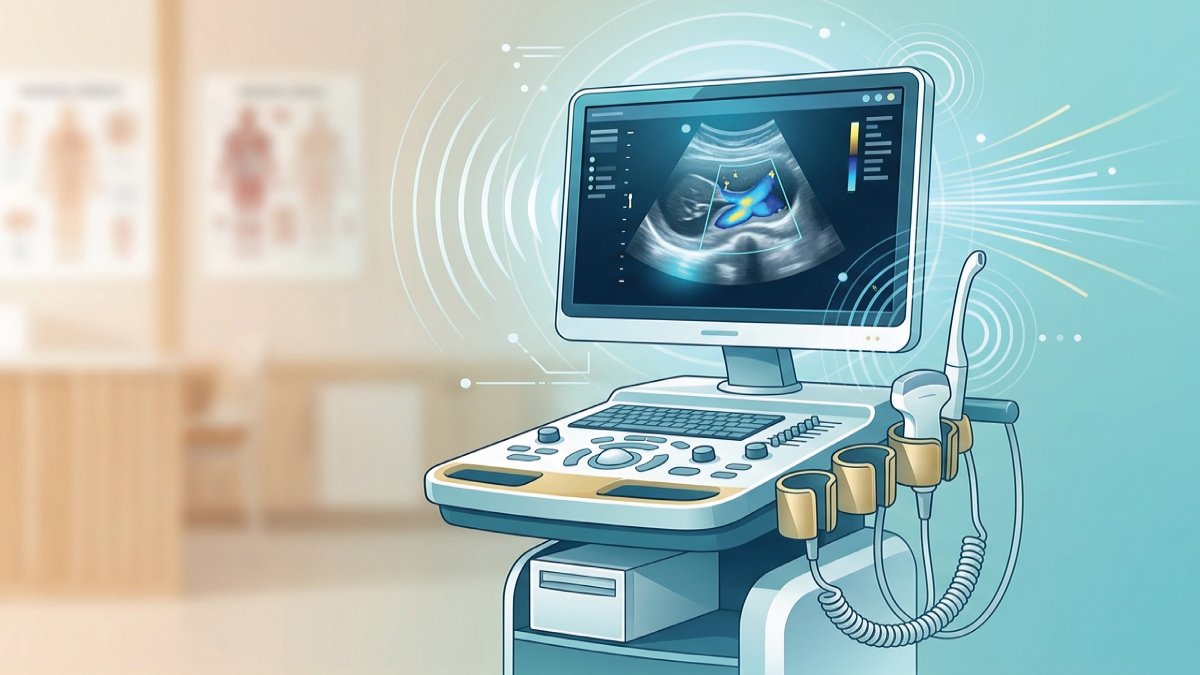
Healthcare relies heavily on medical imaging to diagnose, monitor, and treat patients. While many people are familiar with X-rays, CT scans, and MRIs, fewer understand the role of diagnostic medical sonography one of the most important, safest, and fastest growing imaging fields in modern medicine.
So, what is a diagnostic medical sonographer, and why is this career gaining so much attention? This article explores the profession in depth, including what diagnostic medical sonographers do, where they work, how to become one, and why the role is vital in today’s healthcare system.
Understand Diagnostic Medical Sonography
A diagnostic medical sonographer is a trained healthcare professional who uses specialized imaging equipment to create visual images of the inside of the body. These images, called sonograms or ultrasound images, help physicians diagnose and treat medical conditions.
Sonography uses high-frequency sound waves, not radiation, to produce images. This makes it a safe, non-invasive diagnostic tool widely used for patients of all ages from unborn babies to elderly adults.
Diagnostic medical sonographers are sometimes referred to as:
- Ultrasound technologists
- Sonographers
- Ultrasound technicians (informal term)
However, “diagnostic medical sonographer” is the most accurate and professional title.
What Does a Diagnostic Medical Sonographer Do?
A diagnostic medical sonographer is a highly trained healthcare professional who uses advanced ultrasound technology to help physicians diagnose and monitor medical conditions. Their role blends technical expertise, detailed anatomical knowledge, and compassionate patient interaction to support accurate, noninvasive medical imaging.
Key Responsibilities Include:
- Preparing patients for ultrasound examinations
- Explaining procedures to patients and answering questions
- Operating ultrasound equipment to capture high-quality images
- Selecting appropriate imaging techniques based on clinical indications
- Analyzing images for clarity and diagnostic usefulness
- Documenting findings and patient information
- Working closely with physicians and radiologists
- Maintaining and calibrating imaging equipment
Sonographers must understand human anatomy, pathology, and physiology to recognize abnormal findings and ensure physicians receive accurate diagnostic information.
Types of Diagnostic Medical Sonographers
Diagnostic medical sonography is a diverse healthcare field that offers multiple areas of specialization. Each type of sonographer focuses on specific organs or systems of the body, allowing for more accurate diagnosis, targeted patient care, and closer collaboration with medical specialists in different clinical settings.
1. Abdominal Sonographers
Abdominal sonographers specialize in imaging the organs located within the abdominal cavity. They use ultrasound technology to help physicians diagnose diseases, monitor organ function, and identify abnormalities related to digestion, metabolism, and internal organ health.
They examine organs such as:
- Liver
- Gallbladder
- Kidneys
- Pancreas
- Spleen
These sonographers help diagnose conditions like tumors, kidney stones, and liver disease.
2. Obstetric and Gynecologic (OB/GYN) Sonographers
OB/GYN sonographers focus on imaging related to pregnancy and the female reproductive system. Their work is essential for ensuring maternal health, monitoring fetal development, and identifying potential complications throughout pregnancy and gynecologic care.
OB/GYN sonographers specialize in:
- Pregnancy imaging
- Fetal development monitoring
- Reproductive system evaluations
They play a crucial role in prenatal care, monitoring fetal growth, and detecting complications.
3. Cardiac Sonographers (Echocardiographers)
Cardiac sonographers, also known as echocardiographers, specialize in ultrasound imaging of the heart. Their detailed evaluations help physicians assess heart structure and function, supporting early diagnosis and management of cardiovascular conditions.
These specialists focus on the heart, performing echocardiograms to evaluate:
- Heart chambers
- Valves
- Blood flow
- Heart muscle function
They assist cardiologists in diagnosing heart disease.
4. Vascular Sonographers
Vascular sonographers concentrate on imaging the body’s circulatory system. By evaluating blood flow and vessel health, they help detect conditions that may lead to serious complications such as strokes or deep vein thrombosis.
Vascular sonographers examine blood flow through:
- Arteries
- Veins
They help detect blood clots, blockages, and circulation problems.
5. Musculoskeletal Sonographers
Musculoskeletal sonographers specialize in imaging soft tissues related to movement and stability. Their work supports accurate diagnosis of injuries and disorders affecting mobility, often in orthopedic clinics, sports medicine, and rehabilitation settings.
They image muscles, joints, tendons, and ligaments, often assisting in sports medicine and orthopedic diagnostics.
Also Read:
Where Do Diagnostic Medical Sonographers Work?
Diagnostic medical sonographers are employed across a wide range of healthcare environments, allowing flexibility in career paths and work settings. Their skills are needed wherever ultrasound imaging supports diagnosis, treatment planning, patient monitoring, or medical education, from fast-paced clinical facilities to specialized care centers.
- Hospitals
- Outpatient diagnostic centers
- Physician offices
- Maternity clinics
- Emergency rooms
- Mobile imaging services
- Research and educational institutions
Most sonographers work full-time, though part-time and contract positions are also common. Depending on the workplace, schedules may include evenings, weekends, or on-call shifts.
Education and Training Requirements
Becoming a diagnostic medical sonographer requires structured education, hands-on clinical practice, and professional certification. This step-by-step training process ensures that sonographers develop strong technical skills, clinical judgment, and patient-care abilities needed to produce accurate diagnostic images and work effectively in healthcare environments.
Step 1: Formal Education
Formal education is the foundation of a sonography career. Students learn anatomy, physiology, medical terminology, ultrasound physics, and imaging techniques through accredited academic programs designed to prepare them for both clinical practice and certification exams.
To become a diagnostic medical sonographer, candidates typically complete one of the following:
- Associate degree in diagnostic medical sonography (most common)
- Bachelor’s degree in sonography or health sciences
- Certificate program (for individuals with prior healthcare education)
Programs usually take 2–4 years and include classroom instruction combined with hands-on clinical training.
Step 2: Clinical Experience
Clinical experience allows students to apply classroom knowledge in real healthcare settings. Under supervision, they gain practical scanning skills, learn patient interaction, and develop the ability to recognize normal and abnormal anatomy while following professional and safety standards.
Accredited programs require supervised clinical rotations where students practice scanning real patients under professional guidance.
Step 3: Certification and Licensure
Certification validates a sonographer’s skills and professionalism. While licensure rules vary by state or country, earning certification improves job prospects and credibility. Most employers prefer credentials from recognized professional organizations to ensure high-quality patient care.
Although licensure requirements vary by location, most employers prefer or require professional certification from organizations such as the American Registry for Diagnostic Medical Sonography (ARDMS).
Certification demonstrates competence and commitment to professional standards.
Also Read:
Skills and Qualities of a Successful Sonographer
A successful diagnostic medical sonographer combines advanced technical abilities with strong interpersonal qualities. Beyond operating sophisticated imaging equipment, sonographers must communicate effectively, think critically, and provide compassionate care while ensuring accurate diagnostic results in fast-paced healthcare environments.
Essential Skills Include:
- Strong knowledge of anatomy and physiology
- Technical proficiency with imaging equipment
- Attention to detail
- Hand-eye coordination
- Physical stamina (standing and assisting patients)
Personal Qualities:
- Compassion and empathy
- Clear communication skills
- Professionalism
- Ability to work under pressure
- Critical thinking and problem-solving
Sonographers often work with patients experiencing pain, anxiety, or serious medical conditions, making emotional intelligence essential.
Salary and Job Outlook
Diagnostic medical sonography offers both financial stability and long-term career security. Competitive wages, multiple specialization options, and growing demand across healthcare settings make this profession attractive for individuals seeking a rewarding allied health career with strong employment prospects.
Average Salary
Diagnostic medical sonographers earn competitive incomes compared to many other allied health professionals. Salaries can vary widely depending on geographic region, level of experience, chosen specialty, and the type of healthcare facility where the sonographer is employed.
According to industry data, diagnostic medical sonographers earn competitive salaries, often exceeding many other allied health professions. Earnings vary by:
- Location
- Experience
- Specialization
- Type of employer
Specialized sonographers, such as cardiac or vascular technologists, often earn higher wages.
Job Growth
The job outlook for diagnostic medical sonographers is very strong. As healthcare continues to emphasize early detection and noninvasive imaging, demand for skilled ultrasound professionals continues to rise across hospitals, clinics, and outpatient centers.
The profession is experiencing strong job growth, driven by:
- An aging population
- Increased use of ultrasound as a first-line diagnostic tool
- Technological advancements in imaging
Healthcare employers value sonography because it provides accurate diagnostic information without exposing patients to radiation.
Also Read:
Advantages of a Career in Diagnostic Medical Sonography
A career in diagnostic medical sonography offers a rewarding combination of professional stability, personal fulfillment, and growth opportunities. Many individuals choose this field because it balances advanced technology with hands-on patient care while providing strong employment prospects in healthcare.
Key Advantages:
- High demand and job security
- Relatively short education pathway
- Competitive salary
- Opportunities for specialization
- Meaningful patient interaction
- Safe imaging technology
Sonographers often report high job satisfaction due to their direct impact on patient care.
Challenges of the Profession
While diagnostic medical sonography is a rewarding healthcare career, it also comes with notable challenges. Sonographers must balance physical demands, emotional resilience, and strict professional standards while consistently delivering accurate imaging in fast-paced and sometimes high-pressure clinical environments.
Common Challenges:
- Physically demanding work
- Repetitive motions that can lead to strain injuries
- Emotional stress when working with critically ill patients
- High expectations for accuracy and professionalism
Proper ergonomics, continuing education, and workplace support help mitigate these challenges.
The Importance of Diagnostic Medical Sonographers in Healthcare
Diagnostic medical sonographers are essential members of the healthcare system because they provide real-time, noninvasive imaging that supports accurate medical decision-making. Their work helps physicians quickly understand internal body conditions, leading to faster diagnoses, safer procedures, and more effective treatment plans for patients.
- Detect diseases early
- Monitor treatment progress
- Guide medical procedures
- Improve patient outcomes
Without accurate ultrasound imaging, many diagnoses would be delayed or incomplete.
Also Read:
Is Diagnostic Medical Sonography Right for You?
Diagnostic medical sonography may be a strong career choice for individuals who are interested in healthcare and enjoy working with both people and advanced medical technology. It offers a unique balance between science, patient care, and diagnostic imaging, making it both dynamic and meaningful.
This profession is ideal for individuals who:
- Want a hands-on medical career
- Prefer working directly with patients
- Seek job stability without extensive medical school training
- Value continuous learning and advancement
Final Thoughts
A diagnostic medical sonographer is a highly skilled healthcare professional who uses ultrasound technology to help physicians diagnose and manage medical conditions safely and effectively. With strong job prospects, competitive pay, and meaningful work, diagnostic medical sonography continues to be one of the most rewarding careers in allied health.
Whether you are a student exploring healthcare careers or a professional considering a career change, diagnostic medical sonography offers a powerful combination of purpose, stability, and growth in today’s evolving medical landscape.

Zak is a dedicated medical and career writer specializing in sonography, healthcare education, and professional development. Through SonographerSalary.com, he shares in-depth insights on sonographer salaries, education pathways, and career tips to help readers build successful futures in medical imaging. His content combines accuracy with practical, easy-to-understand guidance, empowering students and professionals to make confident, informed career decisions.