
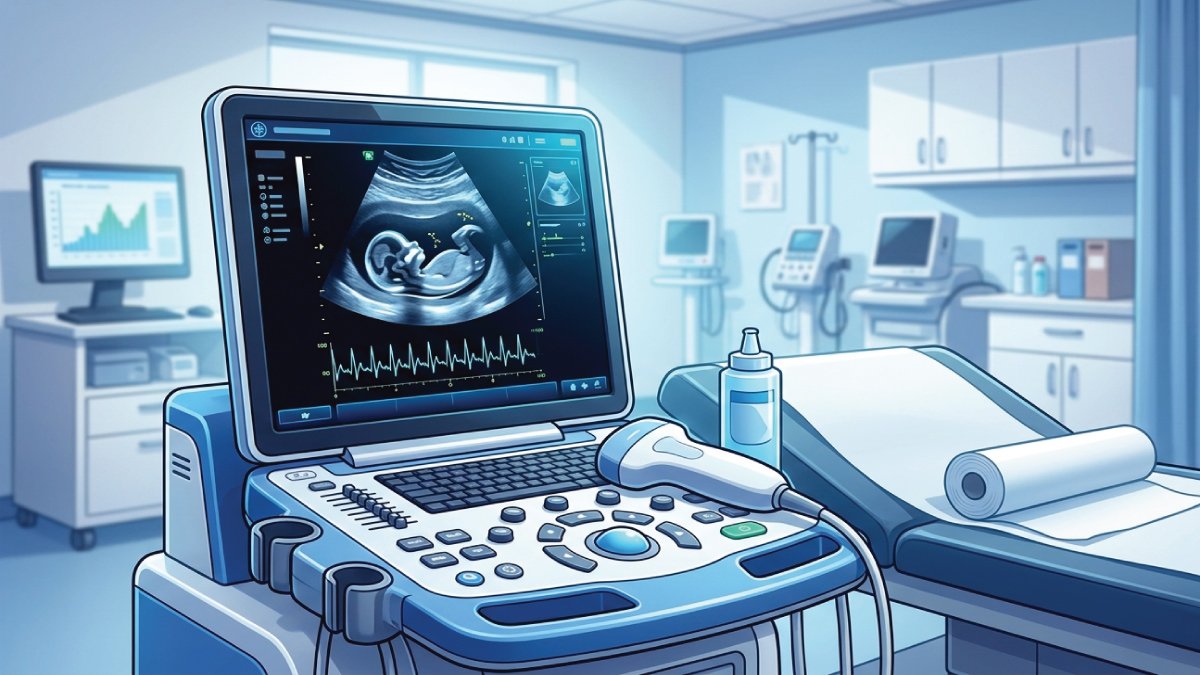
A diagnostic medical sonographer is a highly skilled healthcare professional who uses ultrasound technology to create images of the inside of the human body. These images help doctors diagnose, monitor, and sometimes even guide treatment for a wide range of medical conditions.
While many people associate ultrasound with pregnancy scans, the role of a sonographer is much broader and plays a critical part in modern healthcare.
In this article, we will explore what diagnostic medical sonographers do, how they work, what tools they use, the types of exams they perform, and what it takes to become one.
Table of Contents
ToggleUnderstanding the Role of a Diagnostic Medical Sonographer
A diagnostic medical sonographer operates specialized imaging equipment that uses high-frequency sound waves to produce images of organs, tissues, and blood flow inside the body. These images are called sonograms or ultrasounds.
Unlike X-rays or CT scans, ultrasound does not use radiation, making it a safer imaging option, especially for pregnant patients and for repeated examinations.
Sonographers do not usually make diagnoses themselves. Instead, they collect high-quality images and measurements that are interpreted by a physician, typically a radiologist or a specialist.
What Exactly Does a Sonographer Do?
A sonographer plays a vital role in healthcare by performing diagnostic imaging and assisting physicians in evaluating internal body conditions accurately.
Their responsibilities combine patient care and advanced ultrasound technology, requiring precision, communication skills, and careful attention to clinical procedures in medical settings.
The daily responsibilities of a diagnostic medical sonographer are both technical and patient-focused. Their work typically includes the following:
1. Preparing Patients for Procedures
Before an ultrasound exam begins, sonographers explain the procedure to the patient. They ensure the patient understands what will happen and answer any questions. This helps reduce anxiety and ensures cooperation during the scan.
Depending on the type of exam, patients may need to:
- Drink water to fill the bladder
- Avoid eating for several hours
- Change into a hospital gown
Sonographers also review medical histories to ensure accurate imaging.
2. Operating Ultrasound Equipment
The core responsibility of a sonographer is operating ultrasound machines. These machines send sound waves into the body using a handheld device called a transducer or probe. When the sound waves bounce back, they create real-time images on a monitor.
Sonographers must carefully adjust settings such as:
- Depth of the image
- Frequency of the sound waves
- Image contrast and clarity
Skill and precision are essential because poor-quality images can lead to misdiagnosis or incomplete evaluations.
3. Capturing Diagnostic Images
Sonographers do more than simply take pictures they must identify exactly where and how to capture the most useful images during examinations. This requires. This requires strong anatomical knowledge, precision, and ability to adjust imaging techniques based on patient condition and clinical requirements carefully.
- Understanding human anatomy in detail
- Recognizing normal vs abnormal structures
- Adjusting the probe angle for the best view
- Documenting measurements of organs or blood flow
They may need to scan the same area from multiple angles to ensure accuracy.
4. Analyzing Preliminary Findings
Although sonographers do not diagnose medical conditions, they are trained to recognize unusual patterns or abnormalities. If something concerning appears on the scan, they note it and include it in their report for the physician.
Examples of findings they may observe include:
- Tumors or cysts
- Abnormal blood flow
- Organ enlargement
- Fluid buildup
- Fetal development issues during pregnancy
5. Maintaining Patient Comfort and Safety
Sonographers often work with patients who are anxious, in pain, or worried about their health. A key part of their job is ensuring patients remain comfortable during the procedure.
This includes:
- Positioning patients properly
- Applying gel to improve image quality
- Minimizing discomfort during scanning
- Communicating clearly throughout the process
Good bedside manner is just as important as technical skill in this profession.
Also Read:
Types of Diagnostic Medical Sonography
Diagnostic medical sonographers may specialize in different areas of the body. Each specialty requires specific training and expertise tailored to specific organs and medical conditions. These specializations help healthcare professionals obtain accurate images for diagnosis, treatment planning, and monitoring patient health across various body systems.
1. Obstetric and Gynecologic Sonography
This is one of the most well-known types of ultrasound. It focuses on the female reproductive system and pregnancy. Sonographers in this field. Obstetric and gynecologic sonography is widely used to monitor pregnancy progress and assess reproductive health conditions in women. They provide essential imaging support for both maternal health and fetal development throughout pregnancy stages.
- Monitor fetal growth and development
- Detect multiple pregnancies
- Check for abnormalities in the uterus or ovaries
- Estimate due dates
2. Abdominal Sonography
Abdominal sonographers examine organs such as. This type of sonography focuses on internal abdominal organs to identify diseases, injuries, and structural abnormalities effectively. It plays an important role in diagnosing digestive and organ-related conditions using non-invasive ultrasound imaging techniques.
- Liver
- Gallbladder
- Kidneys
- Pancreas
- Spleen
They help detect conditions like gallstones, kidney disease, and liver problems.
3. Cardiac Sonography (Echocardiography)
Cardiac sonographers focus on the heart. They assess. Cardiac sonography is used to evaluate heart structure and function, helping doctors understand cardiovascular health conditions clearly. It provides real time images of the heart, supporting diagnosis of serious cardiac disorders and monitoring ongoing treatments.
- Heart chambers
- Heart valves
- Blood flow through the heart
- Heart muscle function
This helps diagnose conditions like heart disease, valve disorders, and congenital heart defects.
4. Vascular Sonography
Vascular sonographers examine blood vessels and circulation. They look for:This specialty focuses on blood flow and vascular health, identifying circulation issues that may affect overall body function.It is crucial for detecting early signs of vascular diseases that can lead to serious complications if untreated.
- Blood clots
- Blockages in arteries or veins
- Poor circulation
- Aneurysms
This type of sonography is crucial in preventing strokes and other cardiovascular emergencies.
5. Musculoskeletal Sonography
This specialty focuses on muscles, tendons, ligaments, and joints. It is often used to: Musculoskeletal sonography evaluates soft tissues and joints to diagnose injuries, inflammation, and movement-related problems accurately. It is commonly used in sports medicine and rehabilitation to guide treatment and improve recovery outcomes.
- Diagnose sports injuries
- Identify tears or inflammation
- Guide injections or treatments
Also Read:
Tools and Technology Used by Sonographers
Diagnostic medical sonographers rely on advanced imaging equipment to produce clear internal body images that assist doctors in diagnosis and treatment planning. These tools combine sound wave technology, digital processing, and specialized software to deliver accurate and real-time medical imaging results.
Ultrasound Machines
Ultrasound machines are the central equipment in sonography, converting sound waves into visual images of internal organs and tissues. They come with advanced features that allow detailed imaging for different medical applications and patient conditions.
- 2D ultrasound (standard imaging)
- 3D and 4D ultrasound (advanced imaging, often used in pregnancy)
- Doppler ultrasound (measures blood flow)
Transducers (Probes)
Different probes are used depending on the part of the body being examined. Some are designed for. Transducers are handheld devices that send and receive sound waves, making them essential for producing ultrasound images. They vary in shape and frequency to suit different scanning needs and patient examinations.
- External scanning (on the skin surface)
- Internal scanning (transvaginal or transrectal)
- Cardiac imaging
Computer Systems
Computer systems process ultrasound data and convert it into clear images for interpretation and medical reporting. They also help organize patient information and support accurate documentation for physicians.
- Store images
- Measure anatomical structures
- Create reports for physicians
Where Do Diagnostic Medical Sonographers Work?
Diagnostic medical sonographers work in many healthcare environments where medical imaging is needed to support diagnosis and patient care.Their workplaces vary depending on specialization, workload, and the type of patients they serve, ranging from routine clinics to emergency care settings.
- Hospitals
- Diagnostic imaging centers
- Physician offices
- Maternity clinics
- Emergency departments
Some sonographers also work in mobile imaging units or travel to different locations to provide services.
Skills Required to Become a Sonographer
To succeed in this field, a sonographer must have a combination of technical, analytical, and interpersonal skills that support accurate diagnosis and patient care. These skills help professionals operate advanced equipment effectively while ensuring patients feel comfortable and properly guided throughout the imaging process.
1. Strong Technical Skills
Operating ultrasound machines requires precision and attention to detail. Sonographers must be skilled in handling imaging equipment and adjusting settings to produce clear and accurate diagnostic images for doctors.
2. Knowledge of Anatomy and Physiology
A deep understanding of the human body is essential for accurate imaging.This knowledge helps sonographers correctly identify organs, tissues, and possible abnormalities during ultrasound examinations.
3. Communication Skills
Sonographers must explain procedures clearly and interact with patients compassionately.Good communication helps reduce patient anxiety and ensures cooperation during scans for better imaging results.
4. Physical Stamina
The job often requires standing for long periods and positioning patients carefully.Sonographers must maintain physical endurance and proper posture while performing repetitive scanning tasks throughout the day.
5. Problem-Solving Ability
Each patient is different, and sonographers must adjust techniques to obtain the best images.They need to think quickly and adapt scanning methods to overcome challenges during examinations.
Also Read:
Education and Training Requirements
Becoming a diagnostic medical sonographer requires formal education, hands-on clinical experience, and professional certification to ensure safe and accurate patient care. These requirements help develop both theoretical knowledge and practical skills needed to operate ultrasound equipment and interpret medical imaging effectively.
- An associate or bachelor’s degree in diagnostic medical sonography
- Clinical training in hospitals or imaging centers
- Certification from recognized organizations (such as ARDMS in many countries)
Some sonographers also pursue specialized certifications in areas like cardiac or vascular imaging.
Importance of Diagnostic Medical Sonographers in Healthcare
Diagnostic medical sonographers play a vital role in modern healthcare by helping doctors identify medical conditions early and accurately through imaging techniques. Their work supports faster diagnosis, safer procedures, and better patient outcomes across many medical specialties.
- Diagnose conditions without invasive procedures
- Monitor pregnancy safely
- Guide surgeries and medical interventions
- Track disease progression
Because ultrasound is safe, non-invasive, and highly effective, sonographers are essential members of the healthcare team.
Also Read:
Career Outlook and Opportunities
The career outlook for diagnostic medical sonographers is very positive, as healthcare systems continue to rely more on advanced imaging for accurate and early diagnosis. With growing medical needs and technological advancements, sonography offers strong job stability and long-term career growth opportunities.
- An aging population
- Increasing use of medical imaging
- Preference for non-invasive diagnostic techniques
This makes it a stable and rewarding career choice for those interested in healthcare and technology.
Conclusion
A diagnostic medical sonographer is much more than someone who “takes ultrasound pictures.” They are highly trained healthcare professionals who combine technical expertise, medical knowledge, and patient care skills to produce images that are critical for diagnosing and treating medical conditions.
From monitoring unborn babies to detecting heart disease and evaluating internal organs, sonographers play a behind-the-scenes but essential role in modern medicine. Their work helps doctors make informed decisions and ultimately improves patient outcomes.
If you’re interested in healthcare, technology, and working closely with patients, a career as a diagnostic medical sonographer could be a meaningful and fulfilling path.

Zak is a dedicated medical and career writer specializing in sonography, healthcare education, and professional development. Through SonographerSalary.com, he shares in-depth insights on sonographer salaries, education pathways, and career tips to help readers build successful futures in medical imaging. His content combines accuracy with practical, easy-to-understand guidance, empowering students and professionals to make confident, informed career decisions.