
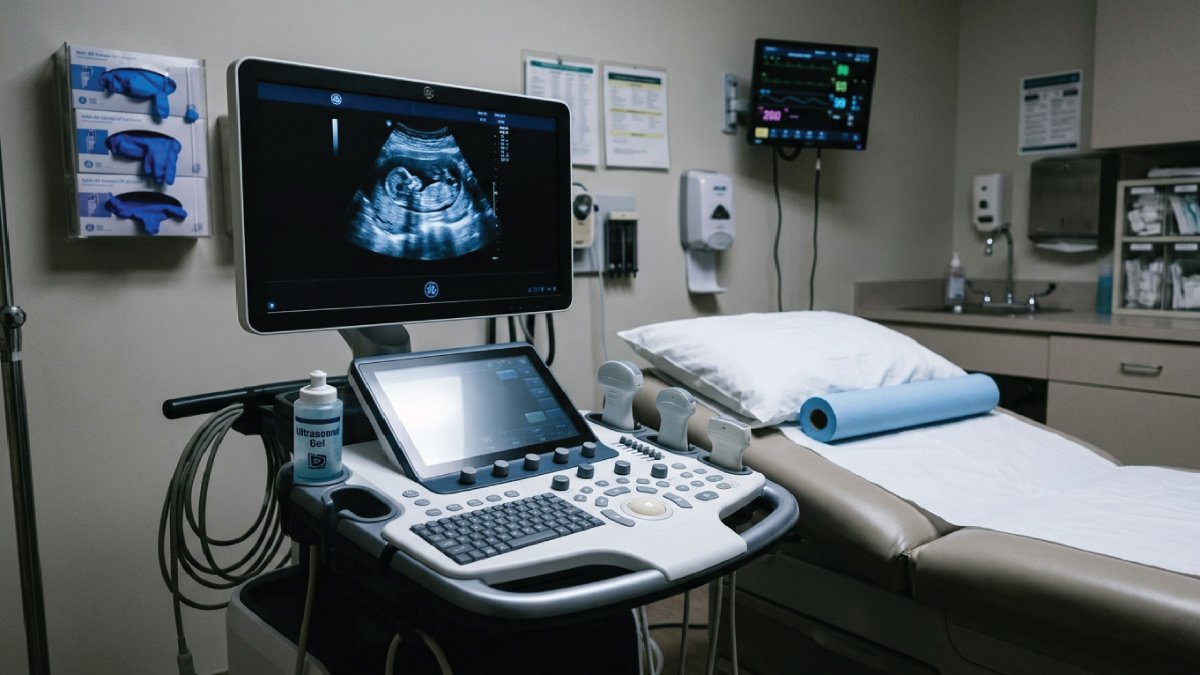
Medical imaging has become one of the most essential tools in modern healthcare, and sonographers play a critical role in this process. If you are considering a career in diagnostic imaging or simply want to understand the profession better, you may be asking: what does a sonographer do?
In this indepth 2026 guide, we will explore the full scope of a sonographers role, including daily tasks, responsibilities, required skills, and how the profession continues to evolve.
Understanding the Sonographer’s Role
A sonographer, often called an ultrasound technician or diagnostic medical sonographer, is a healthcare professional who uses ultrasound technology to create images of the inside of the body. These images help physicians diagnose and monitor a wide range of medical conditions.
While many people associate sonography primarily with pregnancy ultrasounds, the profession extends far beyond obstetrics. Sonographers work in cardiology, vascular imaging, abdominal imaging, musculoskeletal exams, and more. So when people ask what do sonographers do, the answer is: far more than most realize.
What Does a Sonographer Do? A Clear Overview
At its core, sonography involves operating ultrasound equipment to capture diagnostic images. But what does a sonographer do on a practical level includes much more than pressing buttons on a machine.
Sonographers:
- Prepare patients for ultrasound procedures
- Operate and adjust ultrasound equipment
- Capture high-quality diagnostic images
- Analyze images for technical accuracy
- Communicate findings to physicians
- Maintain detailed patient records
When asking what does an ultrasonographer do, it is important to note that they must combine technical expertise with patient care, critical thinking, and strong communication skills.
What Do Sonographers Do on a Daily Basis?
One of the most common questions prospective students ask is what do sonographers do on a daily basis? While daily routines can vary by specialty and workplace, most sonographers follow a structured but dynamic workflow.
1. Reviewing patient schedules and medical histories
Before scanning begins, sonographers carefully review physician orders, patient schedules, and detailed medical histories. This preparation helps them understand the purpose of each examination, identify specific areas of concern, and plan the imaging approach. It ensures efficiency, accuracy, and better patient care throughout the diagnostic process.
2. Preparing the examination room
This includes ensuring ultrasound machines are functioning properly, supplies are stocked, and rooms are clean and comfortable. Sonographers also check equipment calibration, organize necessary tools, and create a welcoming environment. Proper preparation minimizes delays, supports workflow efficiency, and helps maintain safety and hygiene standards in clinical settings.
3. Patient interaction and positioning
Sonographers explain procedures, answer questions, and position patients to obtain optimal images. They communicate clearly to reduce anxiety, provide instructions for movement or breathing, and ensure patient comfort. Proper positioning is essential for capturing accurate diagnostic images while maintaining a professional and compassionate patient experience.
4. Performing ultrasound examinations
Using specialized transducers, they capture real-time images while adjusting settings for clarity and accuracy. Sonographers continuously monitor the screen, modify angles, and apply technical expertise to highlight anatomical structures. Their skill ensures high-quality imaging that assists physicians in diagnosing medical conditions effectively and efficiently.
5. Evaluating image quality
Sonographers assess images during the scan to ensure they meet diagnostic standards. They carefully review clarity, depth, and accuracy while identifying any abnormalities. If necessary, they repeat or adjust scans to improve results. This step is crucial to ensure reliable imaging that supports accurate medical interpretations and diagnoses.
6. Documentation and reporting
After the exam, images and preliminary observations are documented and sent to the interpreting physician. Sonographers ensure all relevant data is recorded accurately, including patient details and scan findings. Clear documentation helps physicians make informed decisions and ensures proper communication within the healthcare team.
This structured workflow highlights what do sonographers do on a daily basis and why attention to detail is so important in this profession.
Also Read:
Sonographer Job Duties Explained in Detail
Sonographer job duties can vary depending on specialty, work environment, and patient population, but the foundational responsibilities remain consistent across the field. These duties combine technical imaging skills with patient care, requiring precision, critical thinking, and effective communication to support accurate diagnoses and overall healthcare outcomes.
Core Sonographer Job Duties
- Performing diagnostic ultrasound exams
- Selecting appropriate imaging protocols
- Identifying normal and abnormal anatomy
- Maintaining patient safety and comfort
- Following infection control standards
- Collaborating with radiologists and physicians
These sonographer job duties require a deep understanding of anatomy, pathology, and imaging techniques. Professionals must stay updated with evolving technology, follow strict healthcare guidelines, and ensure accuracy in every scan. Their ability to balance technical expertise with compassionate patient care plays a critical role in delivering reliable diagnostic results.
What Does a Diagnostic Medical Sonographer Do?
A diagnostic medical sonographer is trained to perform and interpret imaging studies that aid in diagnosing medical conditions. When asking what does a diagnostic medical sonographer do, the answer includes both technical execution and clinical judgment, along with strong communication skills to support patient care and healthcare team collaboration.
Diagnostic medical sonographers may specialize in:
- Abdominal sonography
- Obstetric and gynecologic imaging
- Cardiac (echocardiography)
- Vascular sonography
- Pediatric sonography
What Does an Ultrasound Technician Do vs. a Sonographer?
Many people wonder what does ultrasound technician do and how that differs from a sonographer. In practice, the terms are often used interchangeably, but “sonographer” is the more accurate and professional title, reflecting advanced training, broader clinical responsibilities, and a deeper role in diagnostic imaging and patient care.
Ultrasound Technician Responsibilities
- Operating ultrasound imaging equipment
- Conducting patient exams
- Recording and labeling images
- Ensuring equipment safety and maintenance
However, modern ultrasound technician responsibilities increasingly overlap with those of diagnostic medical sonographers, especially as technology becomes more advanced. Todays professionals are often expected to apply critical thinking, assist in clinical assessments, and ensure high quality imaging that supports accurate medical diagnosis and treatment planning.
Also Read:
What Do Medical Sonographers Do in Different Work Settings?
To fully understand what do medical sonographers do, it helps to look at where they work. Their responsibilities can vary depending on the environment, patient needs, and available technology. Despite these differences, their primary focus remains on delivering precise imaging and ensuring quality patient care.
Common Work Environments
- Hospitals
- Diagnostic imaging centers
- Physician offices
- Outpatient clinics
- Mobile imaging units
Specialized Sonography Roles and Duties
As imaging technology advances, sonographers increasingly specialize in specific areas of diagnostic imaging. These specialties shape both sonographer job duties and daily routines, requiring focused expertise and additional training. Specialization allows professionals to develop advanced skills, improve diagnostic accuracy, and provide more targeted care within particular medical fields.
Skills Required to Perform Sonographer Daily Tasks
Successfully handling sonographer daily tasks requires a blend of technical expertise and strong interpersonal abilities. Professionals must balance operating complex imaging equipment with providing compassionate patient care. These combined skills enable sonographers to produce accurate diagnostic results while maintaining efficiency, professionalism, and a positive experience for patients in clinical environments.
Essential Skills Include:
- Strong knowledge of anatomy and physiology
- Technical proficiency with imaging equipment
- Critical thinking and problem-solving
- Communication and patient interaction skills
- Physical stamina and hand-eye coordination
Ethical and Professional Responsibilities
Beyond technical duties, sonographers adhere to strict ethical and professional standards that guide their daily practice. Patient confidentiality, informed consent, and accurate reporting are essential components of ultrasound technician responsibilities. Upholding these principles ensures trust, legal compliance, and high-quality care while maintaining professionalism in every patient interaction and clinical decision.
Sonographers must also stay current with continuing education, especially as imaging standards evolve in 2026 and beyond. Ongoing learning helps them remain competent, adapt to new technologies, and follow updated healthcare regulations. This commitment ensures they consistently deliver safe, effective, and accurate diagnostic imaging services in a rapidly advancing medical field.
The Impact of Technology on Sonographer Duties in 2026
In 2026, advancements in artificial intelligence, 3D/4D imaging, and portable ultrasound devices continue to influence what does ultrasonographer do. These innovations are reshaping workflows, improving diagnostic capabilities, and allowing sonographers to perform more efficient and precise examinations across a variety of healthcare settings and patient conditions.
Modern technology:
- Improves image clarity and diagnostic accuracy
- Reduces scan time
- Enhances workflow efficiency
- Expands point of care ultrasound use
Despite these advancements, human expertise remains irreplaceable. Technology supports sonographers it does not replace them. Skilled professionals are still required to interpret images, make real-time decisions, and ensure patient-centered care, highlighting the continued importance of training, experience, and clinical judgment in modern sonography practice.
Career Outlook and Growth
Understanding what do sonographers do also includes recognizing the career’s future and long term opportunities. Sonography remains a high demand field driven by advancements in medical technology and increasing healthcare needs. The profession offers stability, competitive salaries, and opportunities for specialization, making it a reliable and rewarding career path for aspiring healthcare professionals.
- An aging population
- Increased reliance on non-invasive imaging
- Expanding medical specialties
This makes diagnostic medical sonography an attractive career choice in 2026.
Why Sonographers Are Essential to Healthcare
So, what does a sonographer do that makes them indispensable? They provide critical diagnostic information without radiation, often detecting conditions early and improving patient outcomes. Their work supports physicians in making accurate decisions, reducing the need for invasive procedures, and enhancing overall efficiency within modern healthcare systems.
From routine screenings to life saving diagnostics, sonographers are a vital link between technology and patient care. They combine technical expertise with compassionate interaction, ensuring patients feel informed and comfortable while delivering precise imaging results that directly contribute to effective diagnosis, treatment planning, and long-term health management.
Conclusion
In summary, the answer to what does a sonographer do goes far beyond operating an ultrasound machine. Sonographers are skilled healthcare professionals who combine technology, anatomy knowledge, and patient care to support accurate medical diagnoses.
Whether you are curious about what do sonographers do on a daily basis, exploring sonographer job duties, or comparing ultrasound technician responsibilities, one thing is clear: sonography is a dynamic, rewarding, and essential profession in 2026 and beyond.
If you are considering this career path, understanding the sonographer daily routine and responsibilities is the first step toward joining a field that truly makes a difference in patients lives.

Zak is a dedicated medical and career writer specializing in sonography, healthcare education, and professional development. Through SonographerSalary.com, he shares in-depth insights on sonographer salaries, education pathways, and career tips to help readers build successful futures in medical imaging. His content combines accuracy with practical, easy-to-understand guidance, empowering students and professionals to make confident, informed career decisions.