
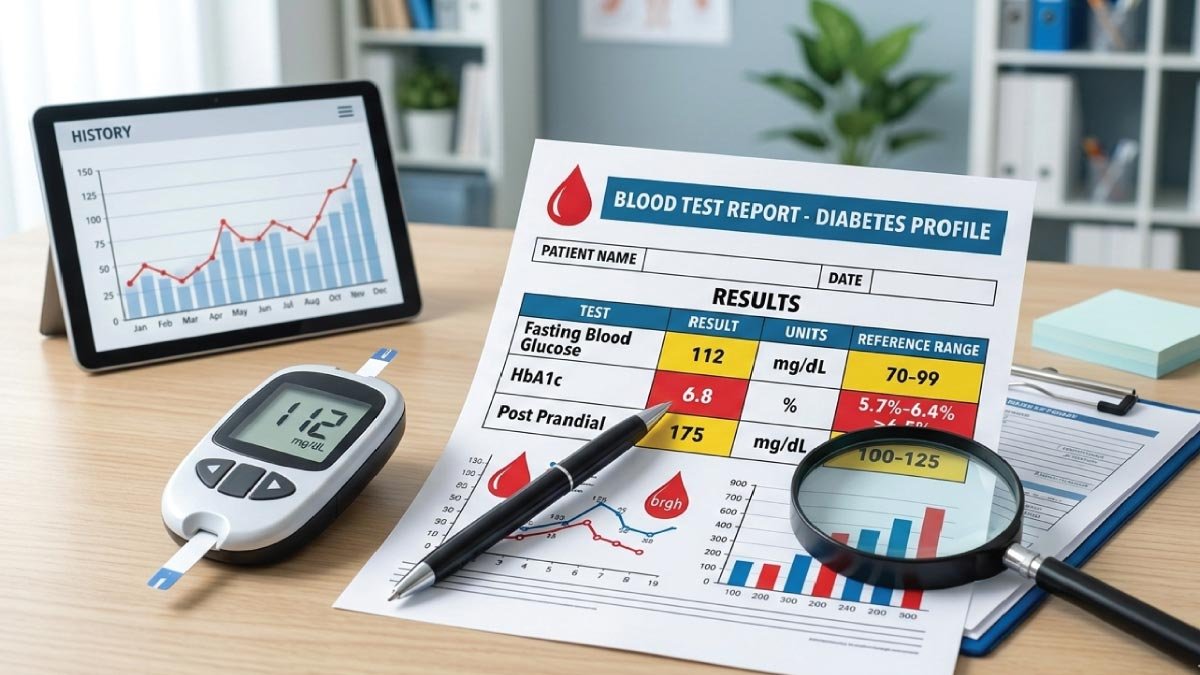
A blood sugar test report is one of the most important medical reports for understanding your body’s glucose levels. Many people feel confused when they see numbers like fasting, random, or HbA1c values, but once you understand the structure, it becomes very easy to interpret.
Blood Glucose Test measures the amount of glucose (sugar) in your blood. It helps doctors diagnose diabetes, monitor treatment, and check overall metabolic health. Since blood sugar levels change throughout the day, different types of tests are used to get a complete picture.
In this guide, you will learn how to read a blood sugar test report step by step in a simple and beginner-friendly way.
What is a Blood Sugar Test Report?
A blood sugar test report is a written document that shows the level of glucose in your blood at a specific time or over a period of time. It helps determine whether your blood sugar is normal, low, or high.
The report usually includes:
- Patient details
- Type of test (fasting, random, or HbA1c)
- Glucose value
- Reference (normal) range
- Doctor’s interpretation
Types of Blood Sugar Tests in Report
Before understanding your blood sugar report, it is important to know the different types of tests used. Each test measures glucose levels in a different condition, helping doctors diagnose and monitor diabetes more accurately.
1. Fasting Blood Sugar (FBS)
This test is performed after not eating or drinking anything (except water) for 8–12 hours, usually in the morning. It gives a clear picture of your body’s baseline glucose level when no food has been consumed recently.
Purpose:
- Checks baseline blood sugar level by measuring glucose after fasting
- Helps diagnose diabetes or prediabetes in early stages
2. Random Blood Sugar (RBS)
This test can be done at any time of the day, regardless of when you last ate. It is often used when immediate results are needed to check if blood sugar is dangerously high or low.
Purpose:
- Quick check of glucose level at any time of the day
- Useful in emergencies or when symptoms of diabetes appear suddenly
3. Postprandial Blood Sugar (PPBS)
This test is done exactly 2 hours after eating a meal. It helps evaluate how your body processes glucose after food intake and whether insulin is working effectively.
Purpose:
- Shows how your body handles sugar after meals
- Helps assess insulin response and glucose metabolism
4. HbA1c Test
This test measures the average blood sugar level over the past 2–3 months by checking the percentage of glucose attached to hemoglobin in red blood cells. It is one of the most important long-term diabetes monitoring tests.
Purpose:
- Long-term glucose control over 2–3 months
- Used for diabetes diagnosis and ongoing monitoring of blood sugar management
Step-by-Step Guide to Reading Blood Sugar Report
Understanding a blood sugar report becomes easy when you follow a clear step-by-step process. Each section of the report gives important information about your health, and reading it correctly helps you avoid confusion and take better care of your glucose levels.
Step 1: Check Patient Details
Always begin by carefully checking the patient information on the report. This includes your name, age, gender, and test date. It is very important to confirm that the report belongs to you before analyzing any results or values.
Step 2: Identify the Type of Test
Next, look at the type of blood sugar test performed, such as Fasting Blood Sugar (FBS), Random Blood Sugar (RBS), Postprandial Blood Sugar (PPBS), or HbA1c. Each test measures glucose in different conditions and has its own normal reference range.
Step 3: Check the Glucose Value
This is the most important number in your report. It shows the exact amount of sugar present in your blood at the time of testing. The value helps determine your current health status.
- Low value = possible hypoglycemia (low blood sugar)
- Normal value = healthy and balanced glucose level
- High value = possible diabetes or uncontrolled sugar levels
Step 4: Compare with Normal Range
Every lab report includes a reference range for comparison. Always match your result with this standard range to understand whether your blood sugar is normal or abnormal.
Fasting Blood Sugar
- Normal: 70–99 mg/dL
- Pre-diabetes: 100–125 mg/dL
- Diabetes: 126 mg/dL or higher
Random Blood Sugar
- Normal: Below 140 mg/dL
- Diabetes: 200 mg/dL or higher
HbA1c
- Normal: Below 5.7%
- Pre-diabetes: 5.7%–6.4%
- Diabetes: 6.5% or higher
Step 5: Understand the Report Comments
Some reports include doctor or lab remarks that help explain your results in simple terms. These comments may indicate whether your sugar level is normal, slightly high, or poorly controlled, giving a quick overview of your condition.
Step 6: Look for Trends (If Multiple Reports)
If you have more than one report over time, compare them to understand your blood sugar pattern. A rising trend may indicate worsening control, while a decreasing trend suggests improvement in your health and treatment effectiveness.
Step 7: Do Not Self-Diagnose
Even if your values appear high or low, avoid making conclusions on your own. Blood sugar interpretation depends on medical history and other factors, so always consult a doctor for accurate diagnosis and proper treatment guidance.
Common Terms in Blood Sugar Reports
Blood sugar reports include several important medical terms that help doctors and patients understand how the body manages glucose levels. These terms explain testing conditions, results interpretation, and long-term sugar control, which are essential for diagnosing and monitoring diabetes and overall metabolic health effectively.
1. Glucose
Glucose is the main form of sugar present in the blood and is the body’s primary source of energy. It comes from carbohydrates in food and is used by cells for fuel. Blood glucose levels are measured in tests to check how effectively the body regulates sugar.
2. Fasting
Fasting refers to not eating or drinking anything except water for 8–12 hours before a blood test. This condition helps measure the body’s natural blood sugar level without food influence. It is commonly used to detect diabetes, prediabetes, and overall glucose metabolism issues.
3. Postprandial
Postprandial means the blood sugar level measured after eating a meal, usually two hours later. It shows how the body processes and controls sugar from food intake. High postprandial readings may indicate diabetes or poor insulin response, helping doctors evaluate glucose control effectively.
4. Glycemic Control
Glycemic control describes how well a person maintains stable blood sugar levels over time. Good control reduces the risk of complications like nerve or kidney damage. It is monitored using HbA1c tests, diet habits, exercise, and medications in people with diabetes or prediabetes conditions.
5. Diabetes Mellitus
Diabetes mellitus is a chronic health condition where blood sugar remains consistently high due to insufficient insulin production or insulin resistance. If unmanaged, it can lead to serious complications affecting the heart, kidneys, eyes, and nerves, making regular monitoring and lifestyle control very important.
Why Blood Sugar Reports Are Confusing
Blood sugar reports are written for medical professionals, not patients. They use abbreviations and reference ranges that can be hard to understand without explanation.
However, once you learn the basics, reading them becomes simple and easy.
Important Things to Remember
When reading a blood sugar report, it is important to understand that results should never be interpreted in isolation. Several factors can influence glucose levels, so proper evaluation always requires context, symptoms, and medical guidance for accurate understanding.
- One test is not enough for diagnosis; multiple readings are needed
- Always compare results with your symptoms and overall health condition
- Diet, stress, illness, and sleep can temporarily affect blood sugar levels
- HbA1c provides a long-term picture of average glucose control over months
- A doctor must confirm any diagnosis before starting treatment
When Should You See a Doctor?
You should consult a healthcare professional if your blood sugar results consistently fall outside the normal range or if you experience concerning symptoms. Early medical advice helps prevent complications and ensures proper management of diabetes or related conditions.
- Fasting blood sugar is above 126 mg/dL
- Random blood sugar is above 200 mg/dL
- HbA1c is above 6.5%
- You have symptoms such as excessive thirst, fatigue, frequent urination, or unexplained weight loss
Benefits of Understanding Your Report
Knowing how to read your blood sugar report correctly helps you take control of your health and make informed decisions. It also reduces unnecessary stress and encourages timely lifestyle improvements and medical follow-ups.
- Helps you manage your health more effectively
- Reduces confusion, fear, and anxiety about results
- Encourages healthy lifestyle changes like diet and exercise
- Improves overall diabetes control and monitoring
- Supports early detection of diabetes and prevents complications
Also Read:
Conclusion
A blood sugar test report is an essential health document that helps you understand how your body manages glucose. It may look technical at first, but once you learn the types of tests, normal ranges, and key terms, it becomes very easy to interpret.
Blood Glucose Test along with Hemoglobin A1c provides a complete picture of short-term and long-term blood sugar control.
However, blood sugar results should always be interpreted by a qualified healthcare professional who can relate them to your symptoms and medical history.
With basic knowledge and awareness, anyone can read a blood sugar report confidently and take better control of their health.
Disclaimer: This content is for informational purposes only and should not be considered medical advice. Always consult a qualified healthcare professional for diagnosis or treatment.

Zak is a dedicated medical and career writer specializing in sonography, healthcare education, and professional development. Through SonographerSalary.com, he shares in-depth insights on sonographer salaries, education pathways, and career tips to help readers build successful futures in medical imaging. His content combines accuracy with practical, easy-to-understand guidance, empowering students and professionals to make confident, informed career decisions.